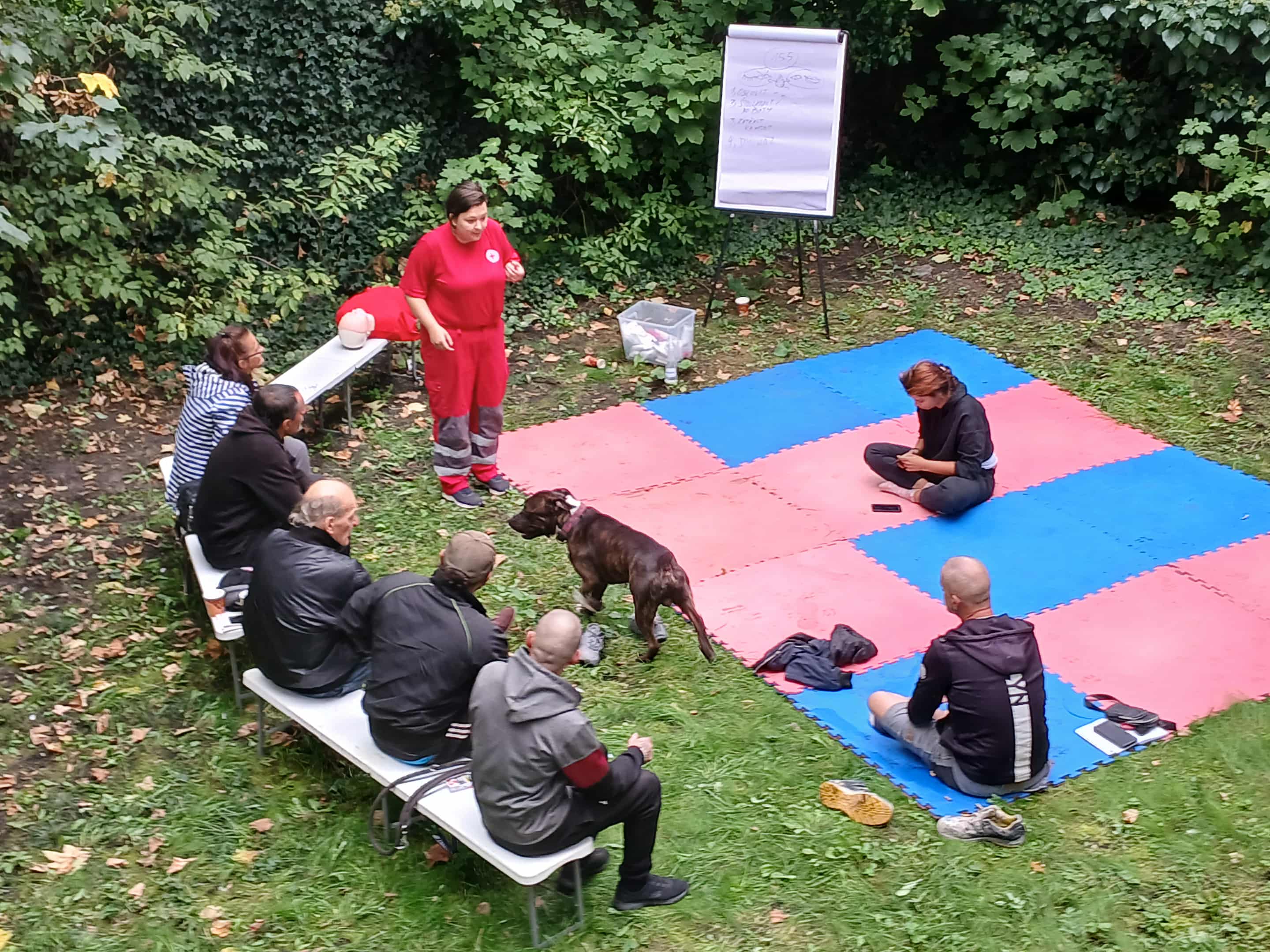
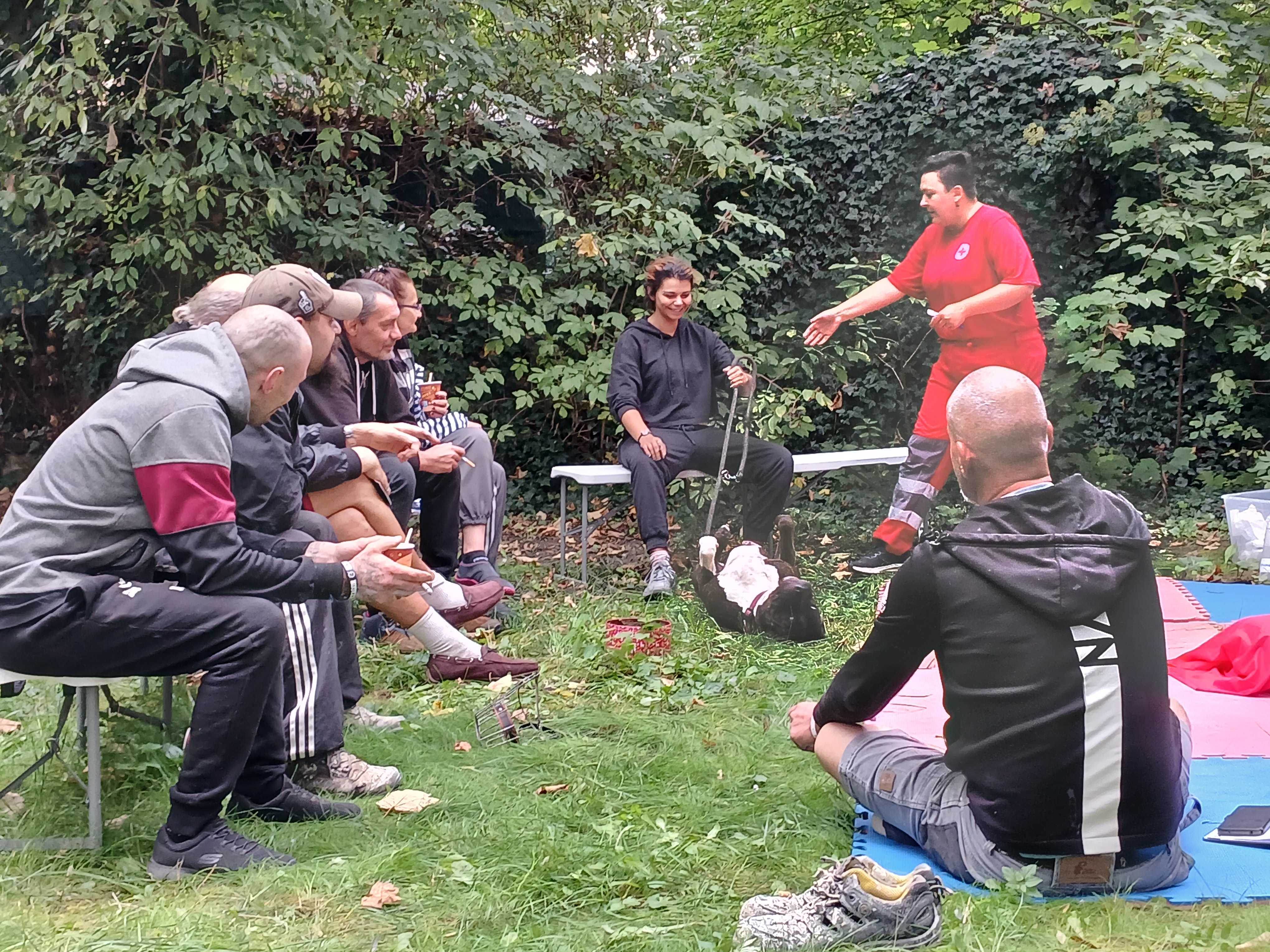
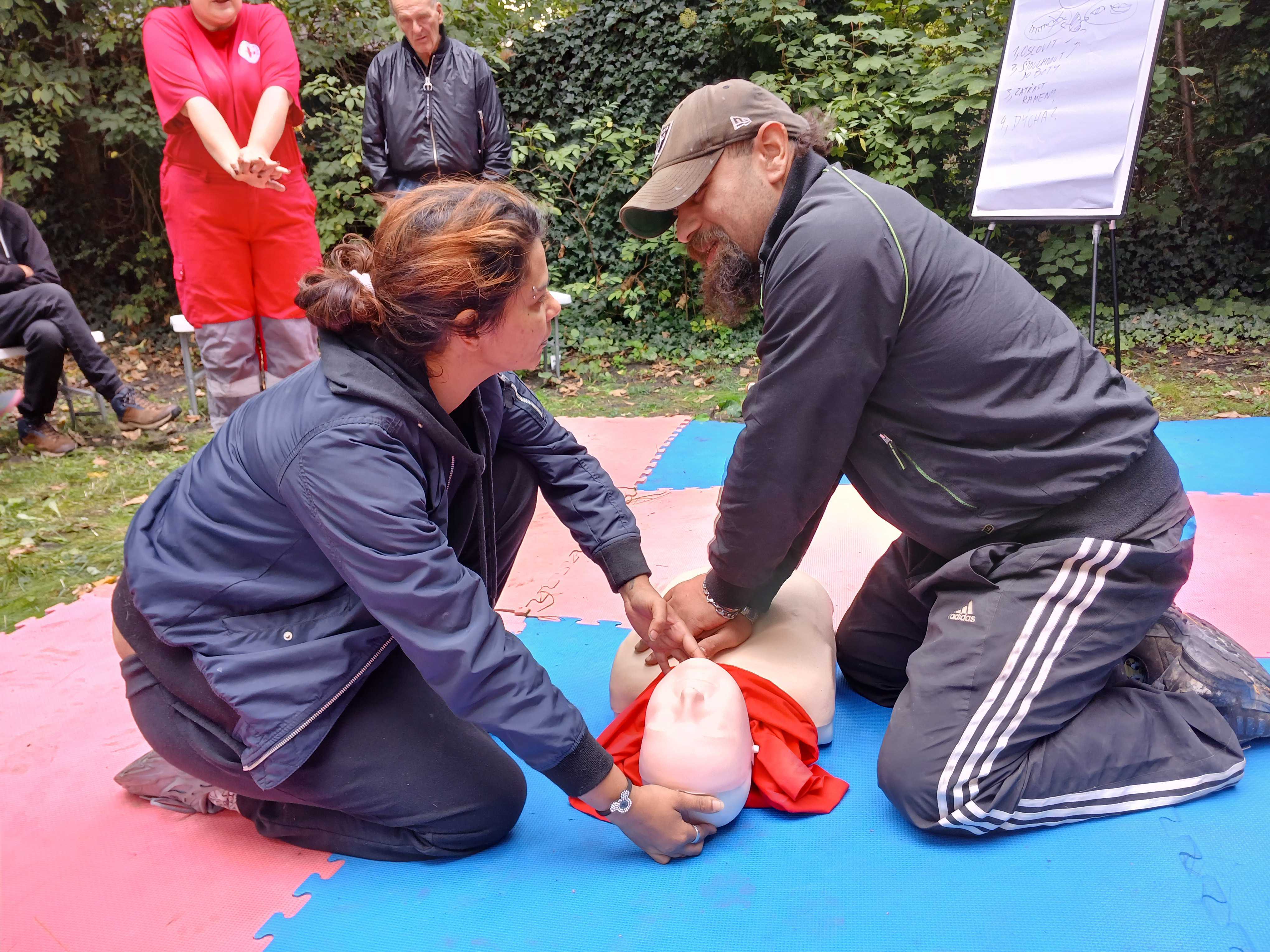
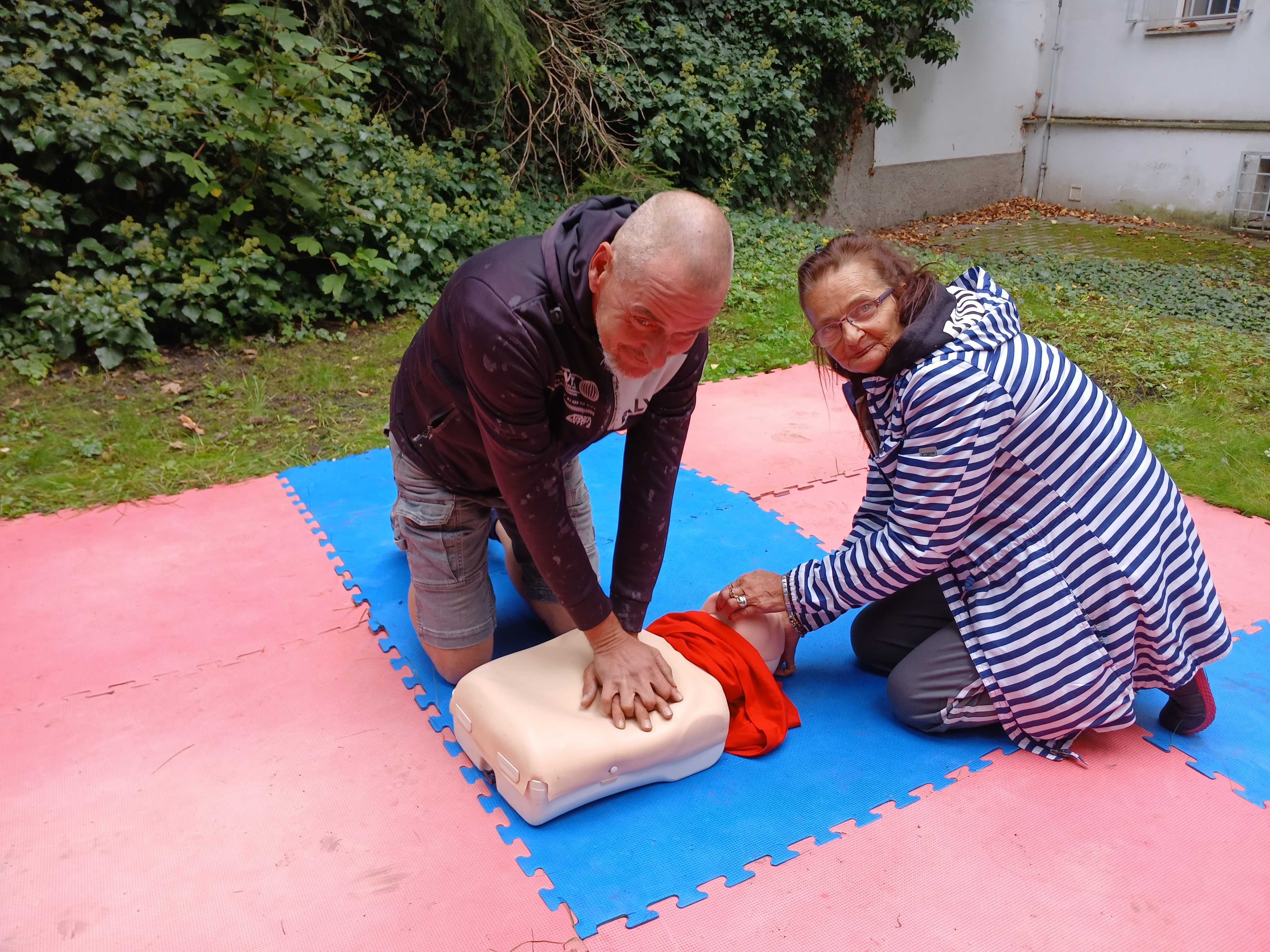
Acute health conditions, injuries and chronic illness are daily realities for people experiencing homelessness in high-risk environments. Access to practical first aid education adapted to their situation is extremely limited. Without knowledge or trust in the health system, minor problems escalate into avoidable complications and emergency interventions.
First Aid Courses for People Experiencing Homeless
Lastnik projekta: Oblastní spolek Českého červeného kříže Plzeň, Czech Red Cross - Regional Branch Pilsen
Odgovorna oseba: Lada Brožová
2026
Nominiranci
CS
Civilna družba / Socialno gospodarstvo
Revščina
Izobraževanje
Izziv
Ideja
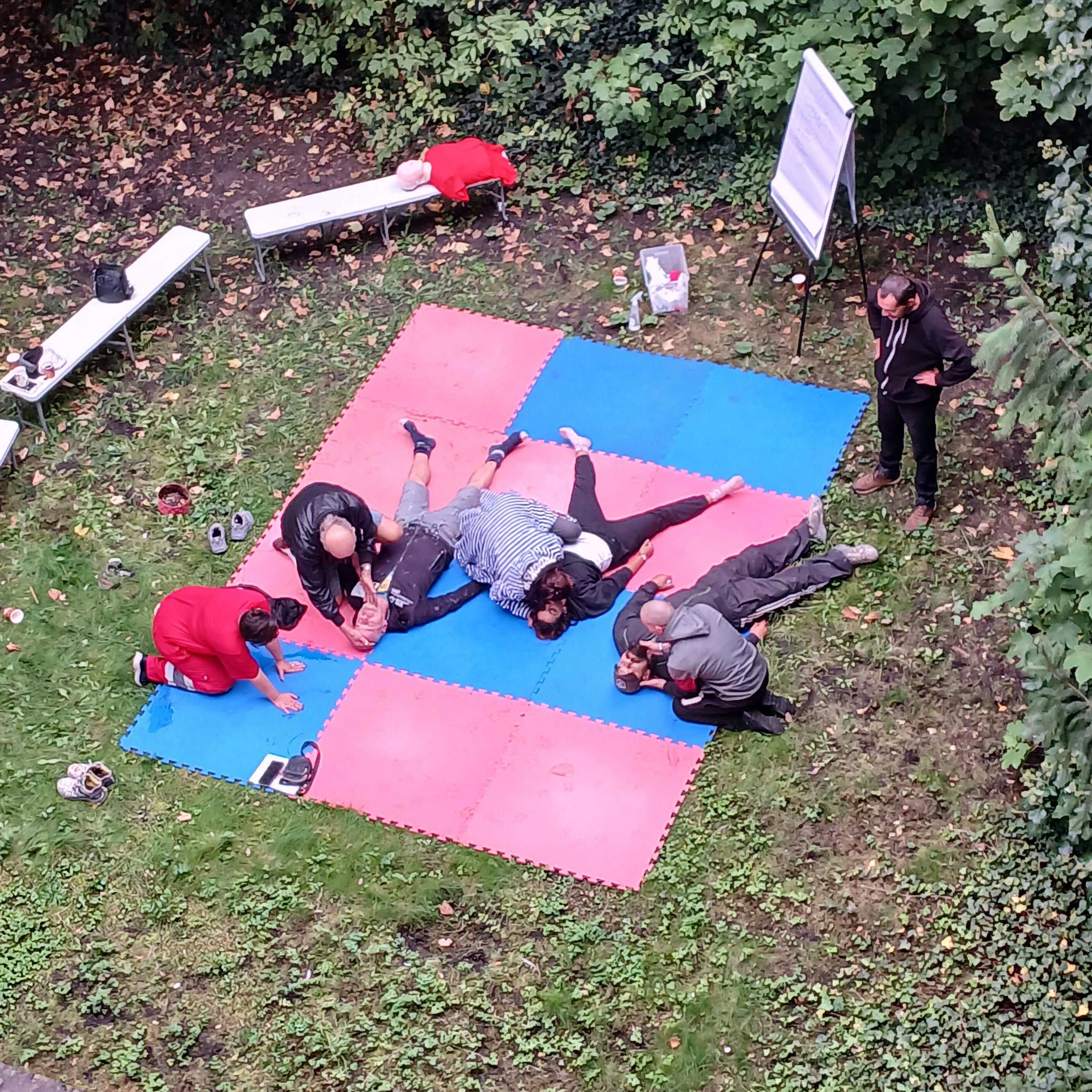
Practical first aid education reaches people experiencing homelessness in environments they know and trust. Registered nurses from the Street Medicine project in Plzeň lead courses using experiential methods rooted in real-life situations. Content and pace are tailored to participants' needs, strengthening emergency response, injury treatment and long-term healthy behaviours.
Deležniki pri projektu
The Street Medicine team in Plzeň coordinates the project, handling planning, partner cooperation and recruitment alongside social services and NGOs. Registered nurses develop content and deliver training. In the next phase, trained young lecturers will teach under nurses' guidance. Czech Red Cross volunteers support practical delivery and organisation.
Vpliv
Participants gain first aid skills and health knowledge, preventing injuries from worsening and supporting mutual assistance within the community. The project also helps rebuild trust between people experiencing homelessness and health and social services. Impact is assessed through feedback, skill observation, follow-up conversations and field insights.
Prenos
A low-threshold approach, trust-based recruitment, modular structure, experiential learning and close cooperation between healthcare professionals, social services and volunteers travel well to other contexts. Course content must be tailored locally, but the educational model applies in other regions and with other vulnerable groups facing barriers to mainstream health services.