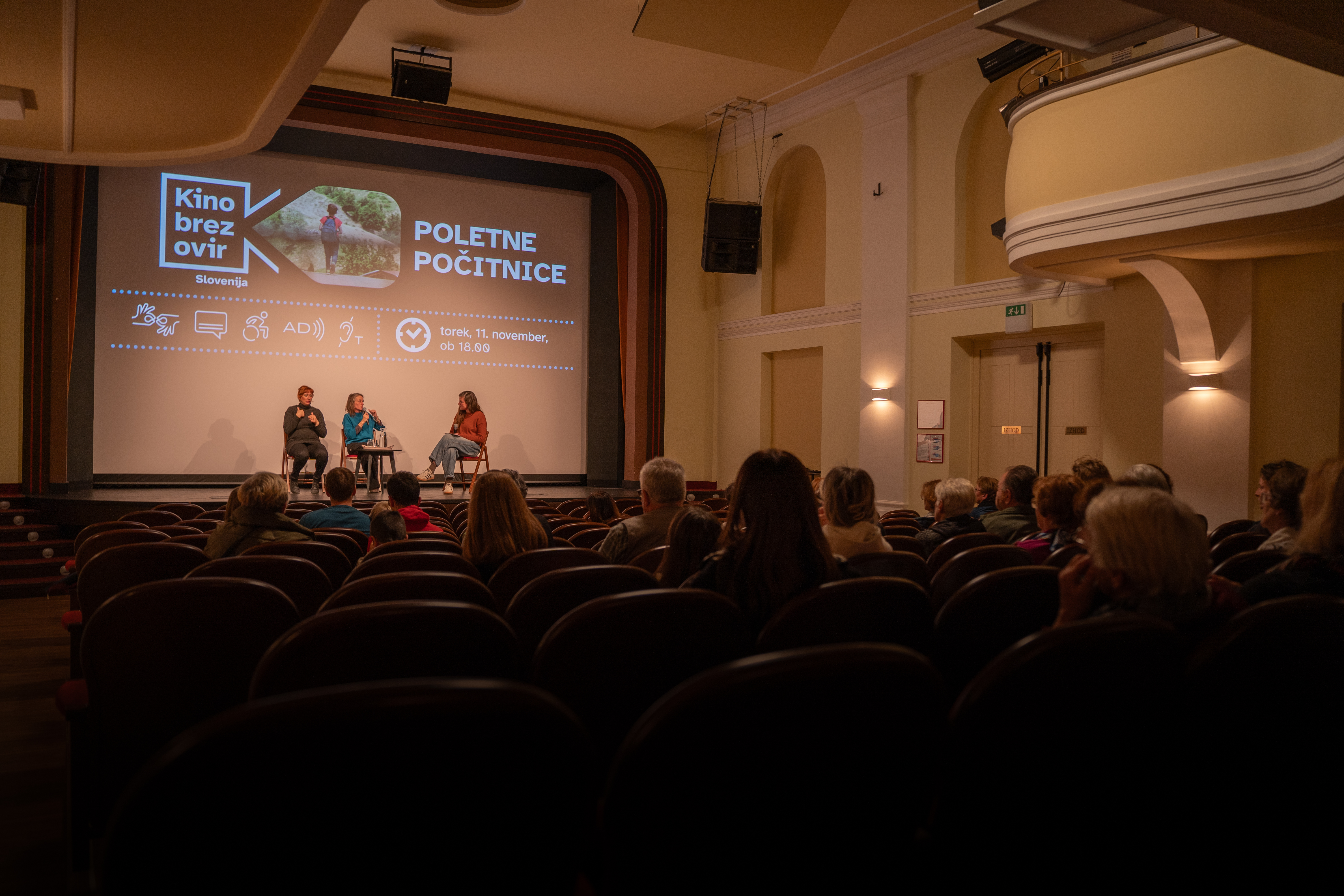
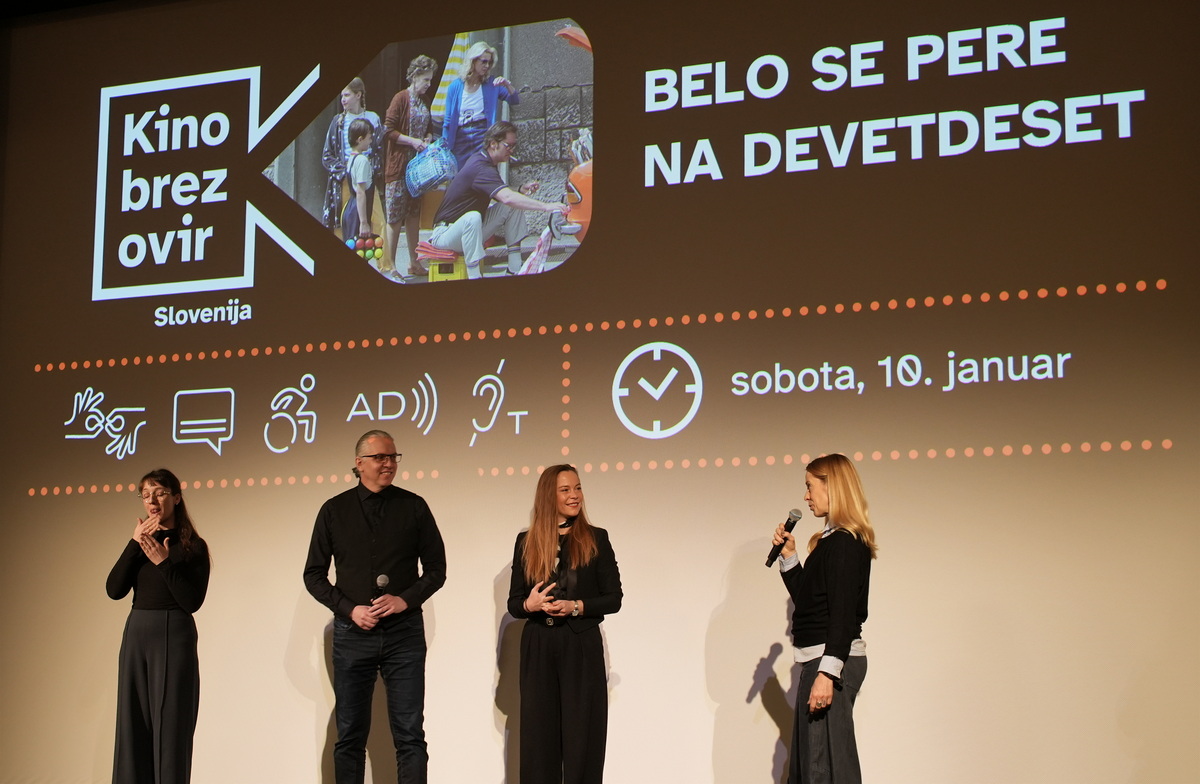
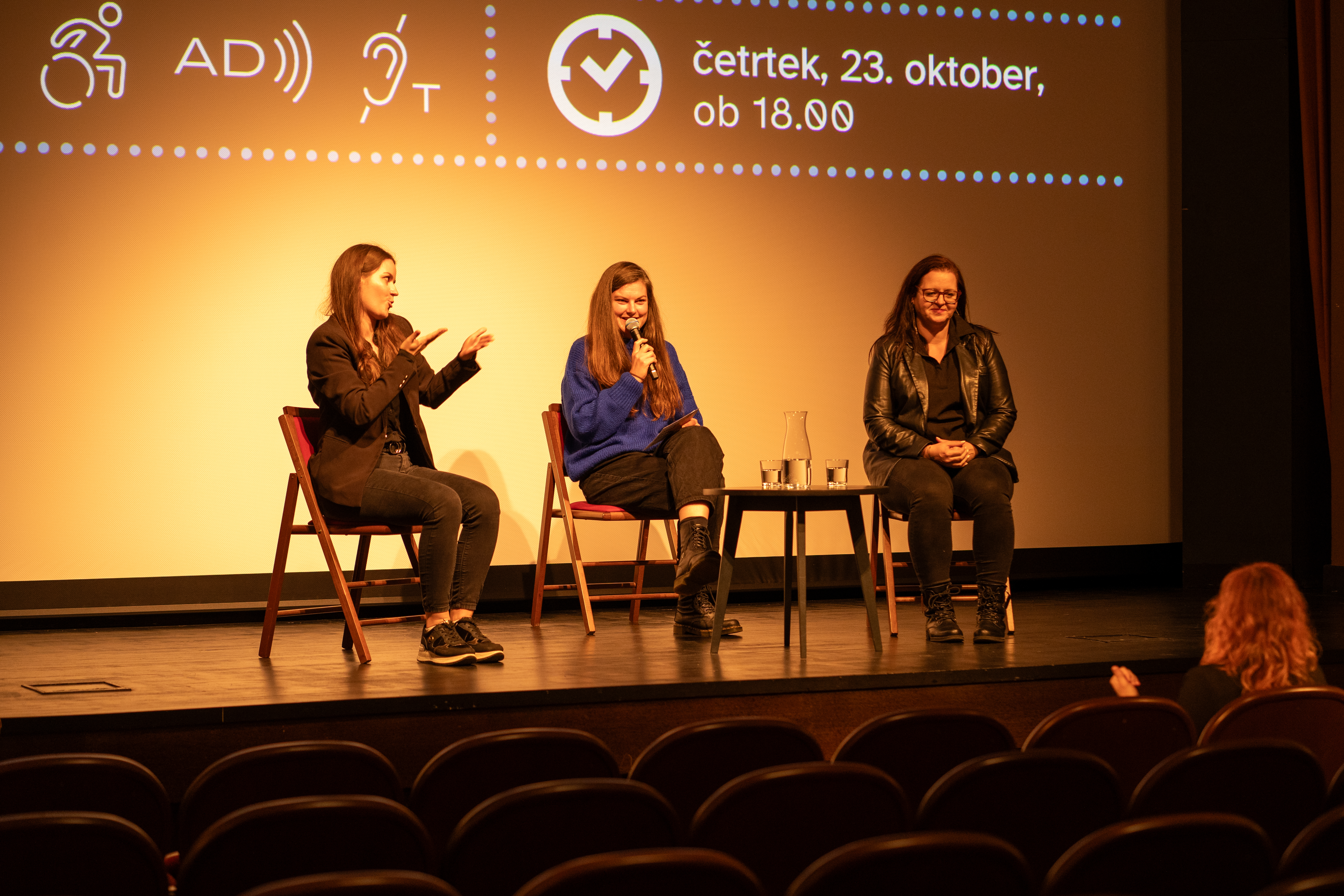
People who are deaf, hard of hearing, blind or visually impaired in Slovenia have very limited access to film culture. Accessible screenings are rare and sporadic, and are concentrated in Ljubljana, leaving smaller towns underserved. There are no sustainable systemic solutions in place, such as regular programmes, an open database and clear standards, and marginalised communities have little role in shaping cultural spaces.
Cinema without barriers - Slovenia
Projektgazda szervezet: Notranjski regijski park / Public Institute Notranjska Regional Park
Felelős személy: Gregor Janežič
2026
3. díj
SL
Közszféra
Diverzitás
Helyi fejlesztés
Művészet, kultúra
Kihívás
Ötlet
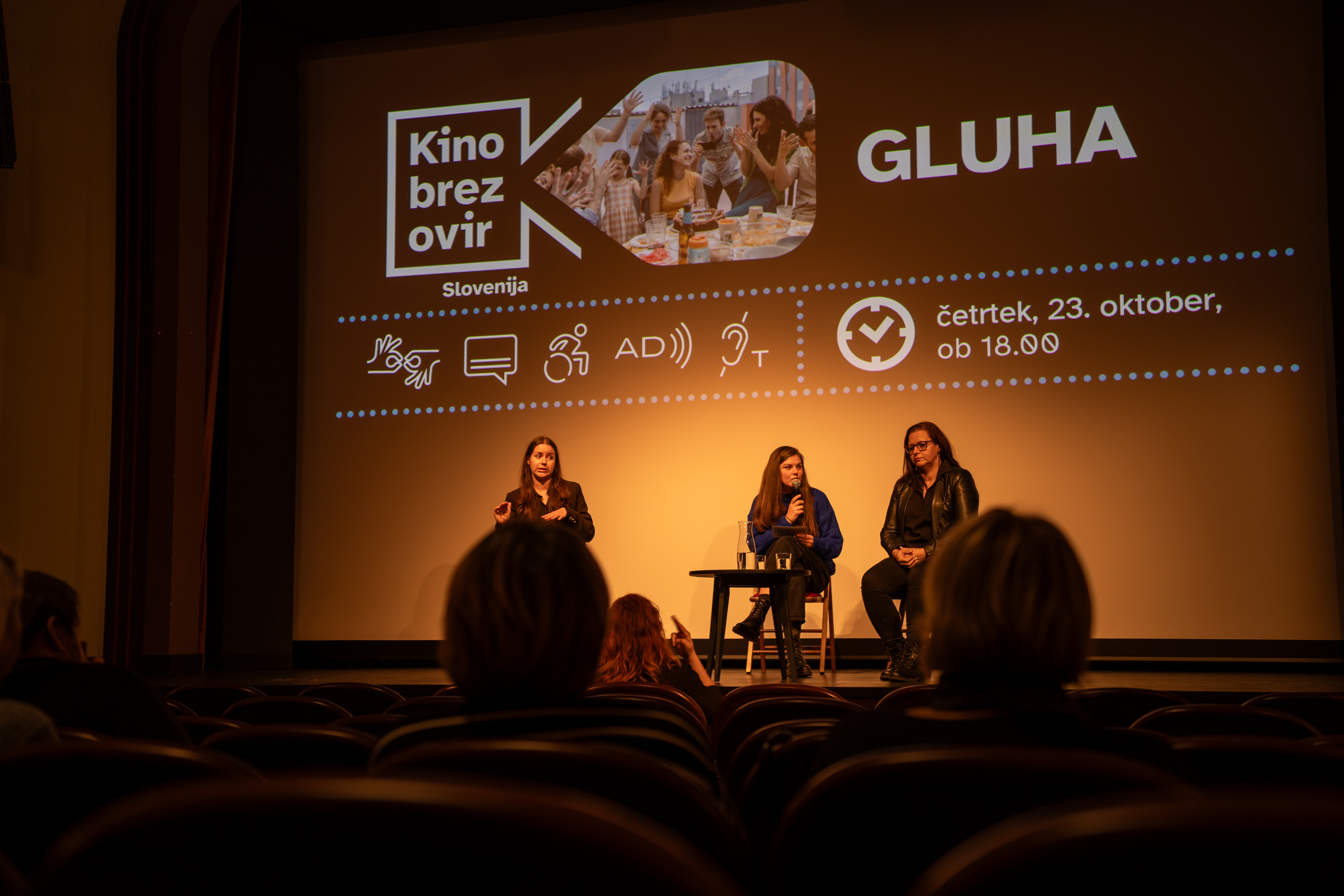
Regular screenings with audio description, descriptive subtitles and sign language interpretation bring accessible film culture beyond Ljubljana to smaller towns and rural areas. Training for cinema staff and collaboration with organisations representing marginalised groups address knowledge gaps. An open database of adapted films, a professional conference and a handbook of good practices ensure long-term solutions, with communities involved as active co-creators.
Szereplők
A freelance coordinator leads content development, coordination and evaluation. Three arthouse cinemas in Cerknica, Radovljica and Celje participate, with staff trained for accessible screenings. Audio description, subtitling and Slovenian Sign Language experts are engaged per project, alongside discussion moderators. Local organisations representing deaf and blind communities act as advisors and co-creators throughout.
Hatás
Deaf, hard-of-hearing, blind and visually impaired people gain greater access to cultural life, reducing social isolation and strengthening local communities. The project drives a shift in cinema practice, making accessibility a programming standard rather than an exception. Impact is measured through accessible screenings, target group attendance, trained staff, partner organisations, and audience surveys and event evaluations.
Átemelhetőség
Regular accessibility-adapted programs, staff training, community cooperation and an open database form a modular, transferable model adaptable to other regions. The holistic approach to audience inclusion extends naturally to other performing arts sectors — theatre, dance and performance — where accessibility for deaf, hard-of-hearing, blind and visually impaired audiences remains very limited.