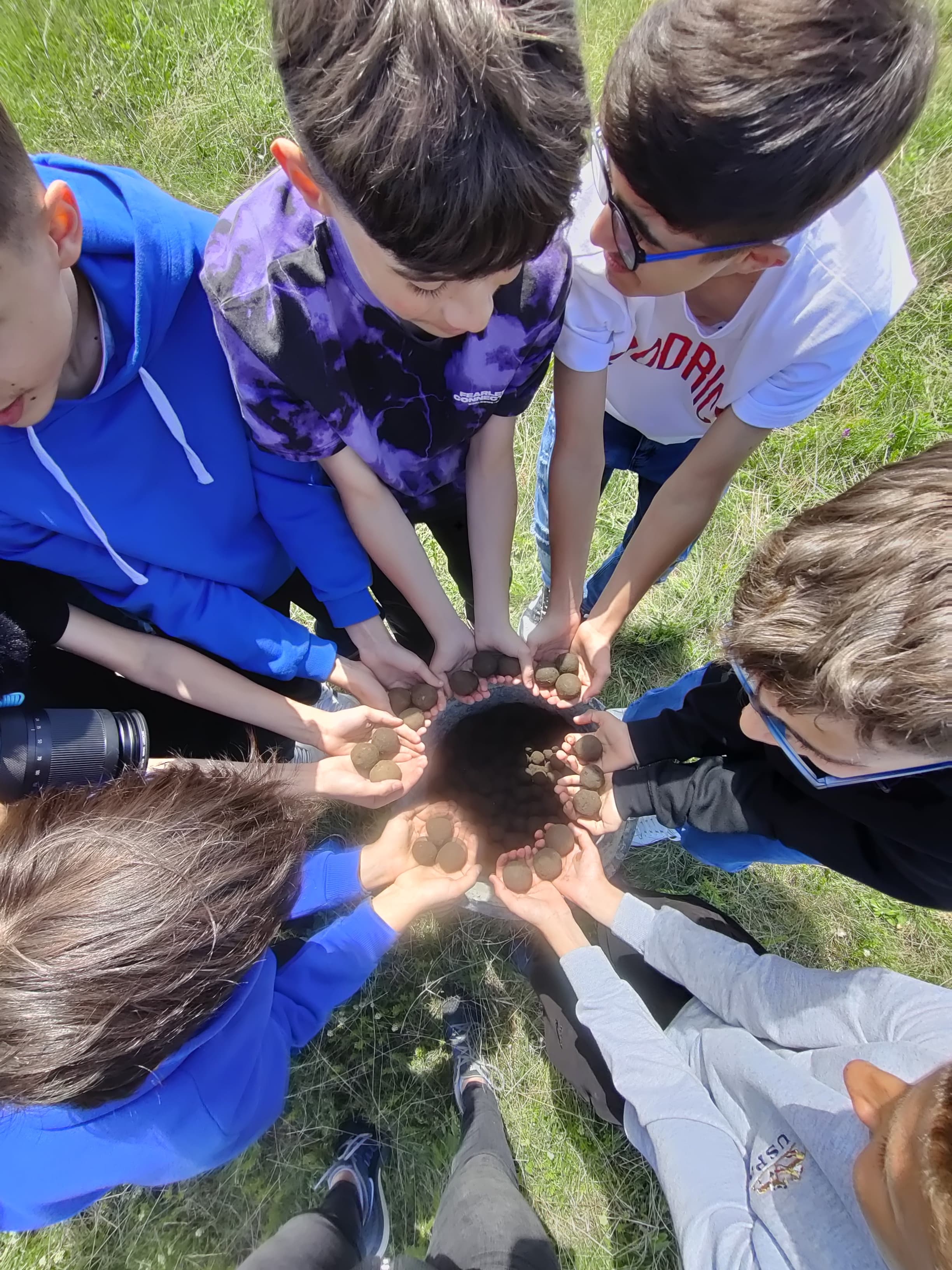
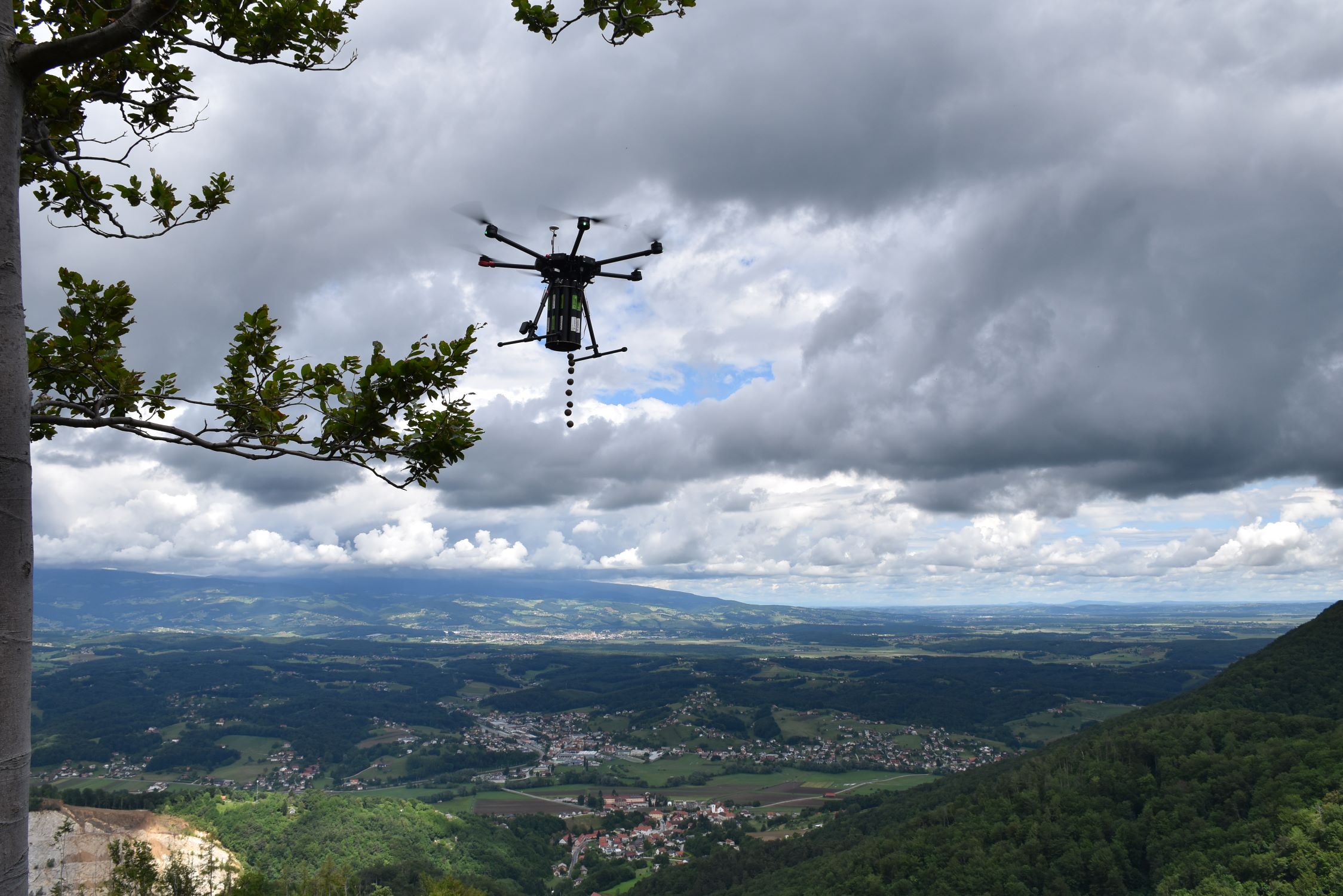
Under the EU Green Deal, Europe has committed to planting an additional 3 billion trees by 2030, yet progress is falling far short of this target. Key obstacles include a lack of scalable restoration initiatives, ongoing soil degradation, biodiversity loss, and the impact of climate change. Many degraded areas are difficult or hazardous to access, which further slows efforts. Drone technology can overcome these constraints, enabling safe and efficient restoration work in otherwise inaccessible locations.
Project O2
Project owner: MAGIC FOREST d.o.o.
Responsible person: Lara Vukasović
2026
2,000 Euro Prize
HR, SL
Commercial enterprise
Education
Environment
Local Development
Challenge
Idea
Drones and specially designed SeedBombs restore degraded ecosystems in hard-to-reach areas — without heavy machinery, at lower cost and with reduced environmental impact. Educational and participatory activities engage local communities and vulnerable groups, strengthening environmental awareness and responsibility. Currently active in five European countries, the model is set to expand to two more by 2026.
Actors
A team of interdisciplinary scientists, foresters and ecologists is responsible for site surveys, species assessment, seed selection and monitoring. The production of SeedBomb involves permanent staff as well as marginalised groups, including Roma and veterans, who are employed seasonally. Drone pilots coordinate flights and airspace, and a logistics and community team engages with schools, kindergartens, and local associations. External partners in Slovenia, Austria, Germany, France, Serbia, Bosnia and Ireland support market expansion.
Impact
By connecting citizens, local authorities, schools, civil society and businesses around nature restoration, the project fosters trust, cooperation and collective action. Joint field activities create long-term partnership networks that extend beyond individual projects, thereby enhancing community resilience. Impact is measured by the number of partners and local collaborations, the repetition of long-term cooperation with the same communities and the emergence of new initiatives as a result.
Transfer
The model is fully scalable and adaptable to diverse ecological, social and infrastructural conditions. It has been successfully implemented in Croatia, Slovenia and Kosovo, and collaborations are underway in Austria, Germany, Serbia and Montenegro. The model's drone methods, SeedBomb technology and participatory community approach can be transferred to different environments without loss of effectiveness, adapting to local ecosystems, community needs and institutional frameworks.