Ranljiva gospodinjstva so običajno prepuščena pasivnosti ali pa so izključena, saj energetski prehod vodijo institucije in trgi. Energetska revščina, podnebna ranljivost in zapletena administracija le še poglabljajo neenakosti. Lokalne skupnosti imajo redko dovolj zmogljivosti za razvoj inovativnih energetskih projektov. Zato je potreben demokratičen pristop, v katerem državljani prevzamejo lastništvo nad znanjem, informacijami in družbenimi koristmi prehoda.
KLIK - Cooperative-Led Energy and Climate OSS
Lastnik projekta: KLIK, energetska zadruga
Odgovorna oseba: Martina Nemčić
2026
2.000 evrov nagrade
HR
Komercialno podjetje
Okolje
Lokalni razvoj
Izziv
Ideja
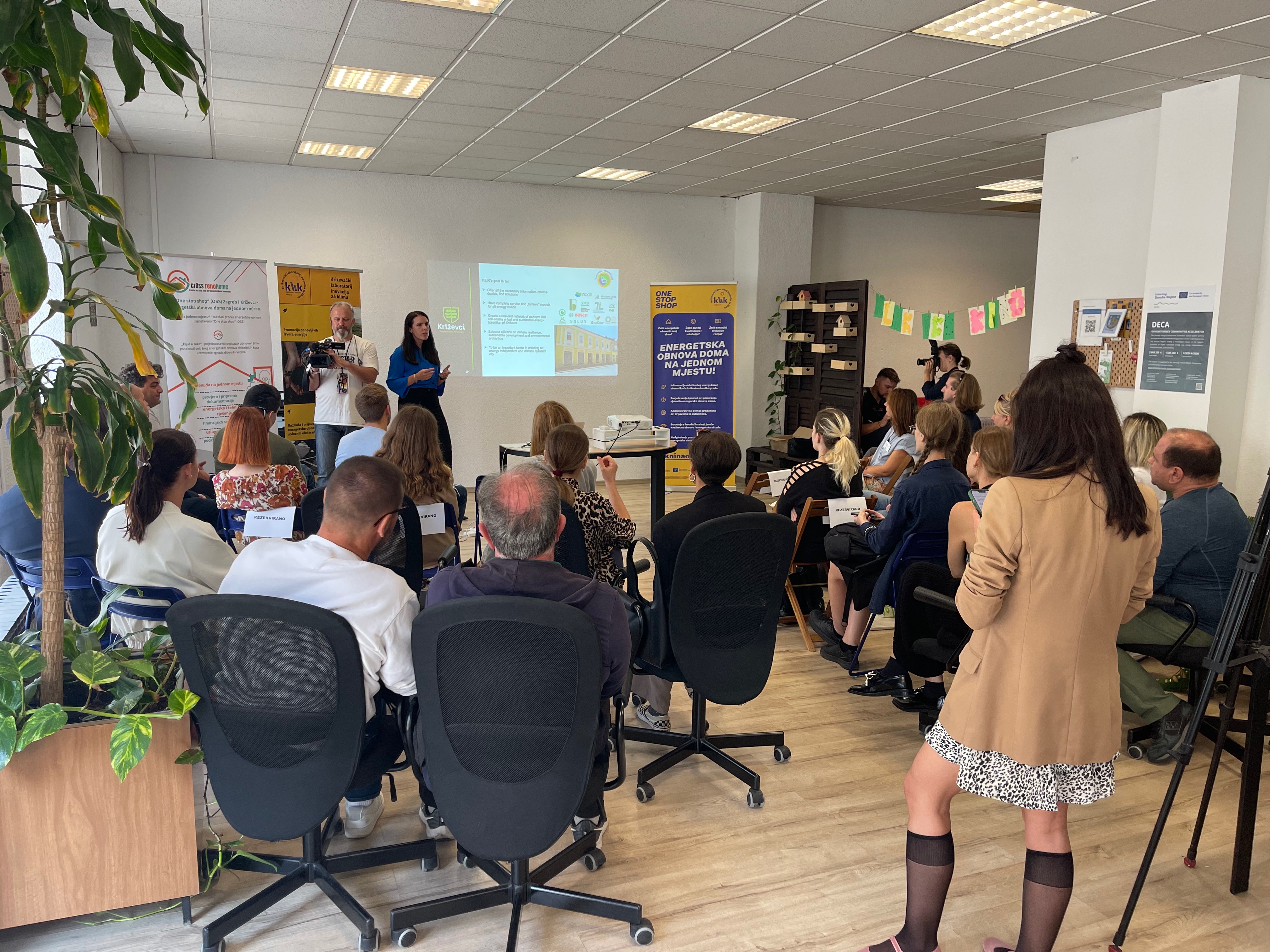
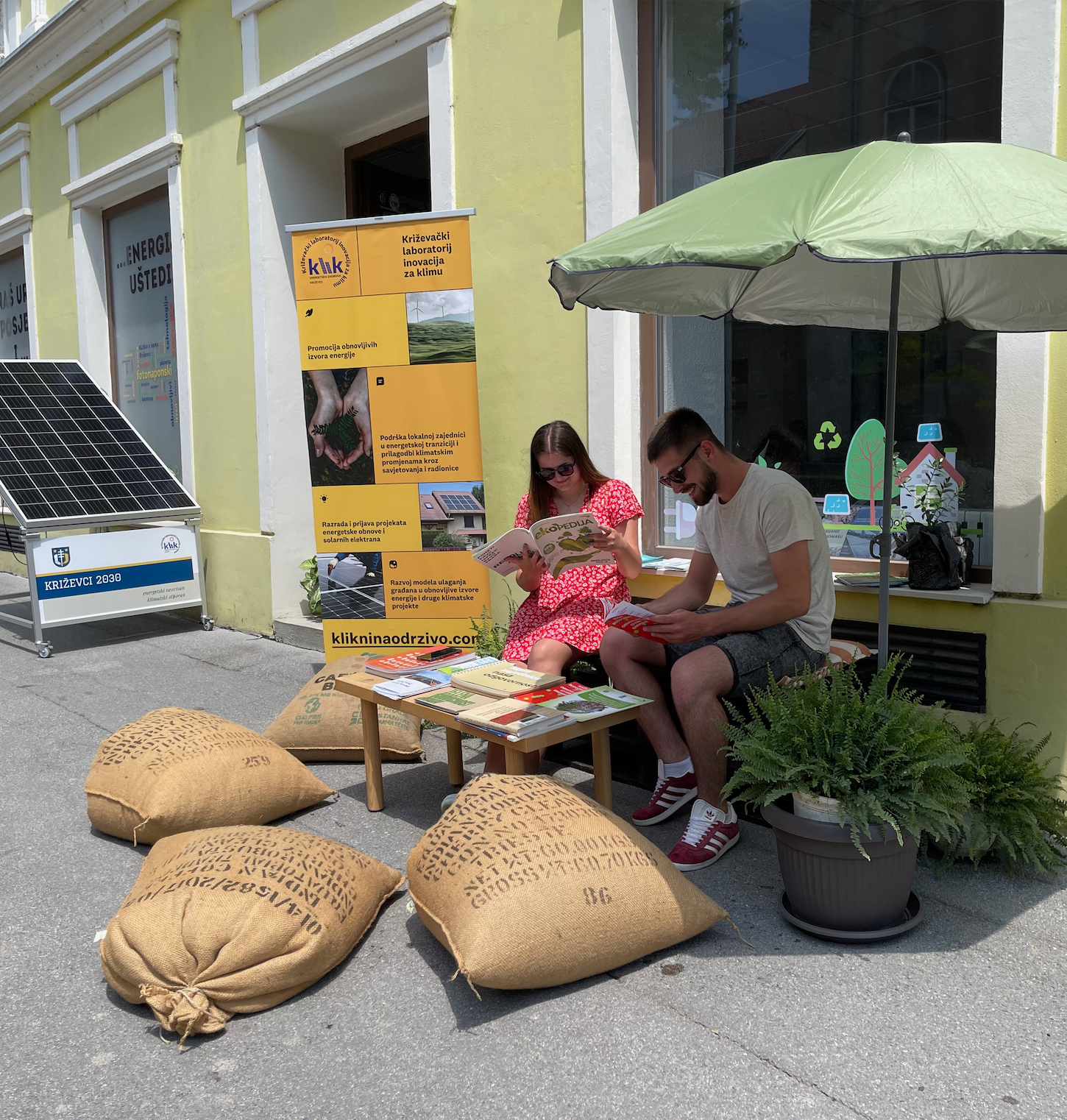
Fizična Energetsko-podnebna pisarna, ki jo upravlja zadruga, ponuja brezplačno, stalno in neodvisno podporo – od prvih vprašanj o obnovljivih virih energije, varčevanju z energijo in prenovi domov, pa vse do same izvedbe in financiranja. Energetsko revna gospodinjstva prejmejo praktično pomoč pri dostopu do subvencij in premagovanju administrativnih ovir, in to brez finančnega tveganja. Energetski prehod tako postane kolektiven proces namesto individualne tržne izbire, kar zmanjšuje neenakosti in gradi lokalno podnebno odpornost.
Deležniki pri projektu
Pisarno skupaj vodijo vodja zadruge, vodja projekta in projektni sodelavec, ki skrbijo za poslovanje, načrtovanje aktivnosti, svetovanje državljanom, zagovorništvo ter razvoj projektov z nacionalnimi in EU partnerji. Energetski svetovalci, projektanti in izvajalci se vključujejo po potrebi – za izvedbo energetskih analiz, pripravo tehnične dokumentacije, izvedbo projektov in vodenje izobraževalnih delavnic.
Vpliv
Bivalni pogoji se izboljšajo, računi za energijo se znižajo, energetska demokracija pa raste tako v mestnih kot podeželskih skupnostih. Državljani, ki bi bili sicer izključeni iz prehoda, pridobijo dostop in zaupanje v kolektivno delovanje. Napredek se spremljajo prek števila gospodinjstev deležnih svetovanja, zaključenih prenov, prihrankov energije in zmanjšanja izpustov CO2, vzporedno pa se kvalitativno ocenjujeta tudi opolnomočenje in zaupanje. Ranljivim skupinam se v sodelovanju z Rdečim križem posveča posebna pozornost.
Prenos
Model temelji na univerzalnih potrebah državljanov in ne na specifičnih regionalnih pogojih, zato ga je izjemno enostavno ponoviti drugje. Zadružno upravljanje, pisarna kot vstopna točka za skupnost, metodologija vključevanja državljanov ter povezovanje socialnih in energetskih politik so elementi, ki se zlahka prenesejo v druga okolja. Zadružna struktura združuje strokovno delo, prostovoljstvo in reinvestiranje presežkov, da bi dosegla tiste, ki jih tržni pristopi sistematično puščajo ob strani.