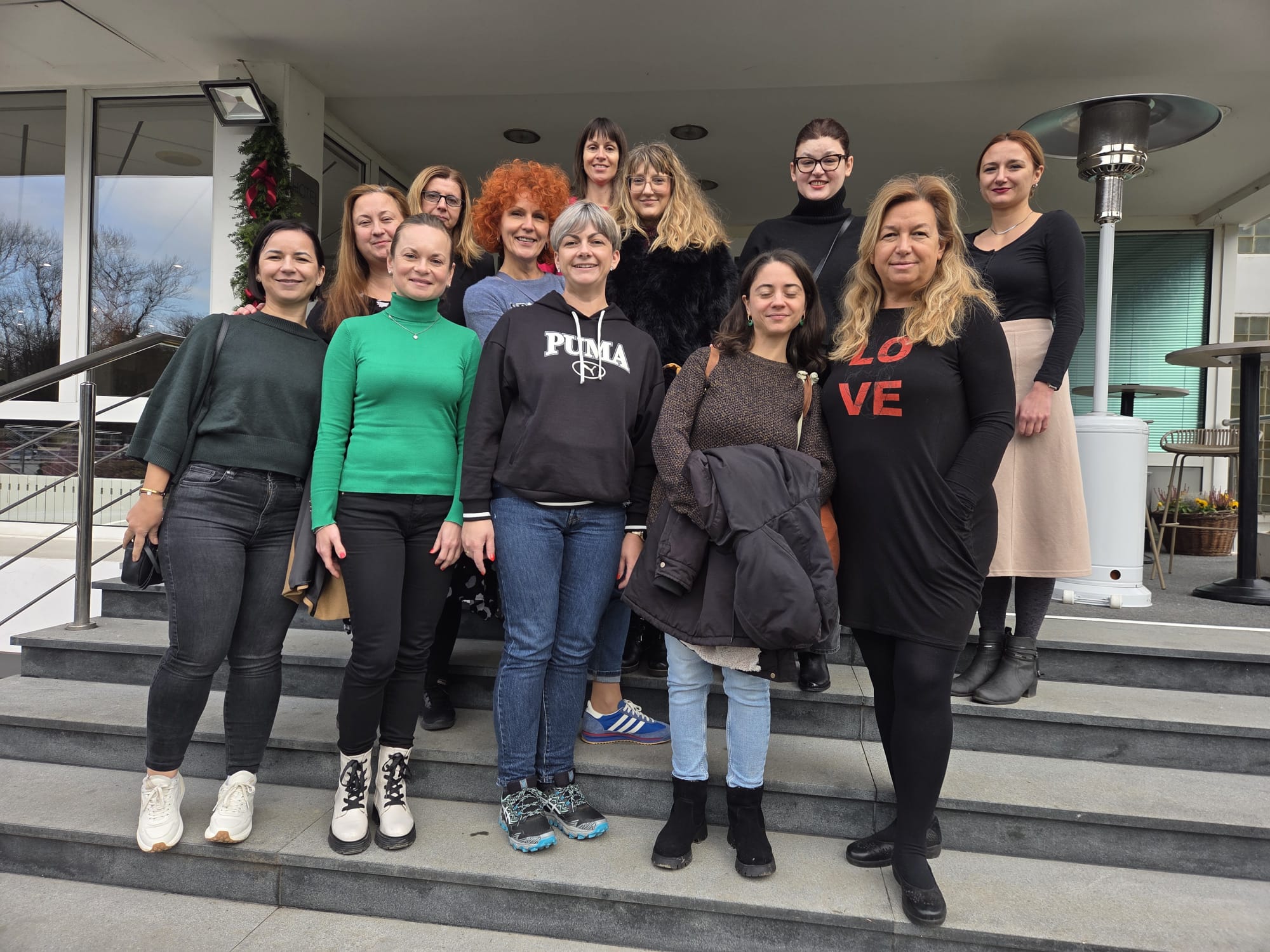
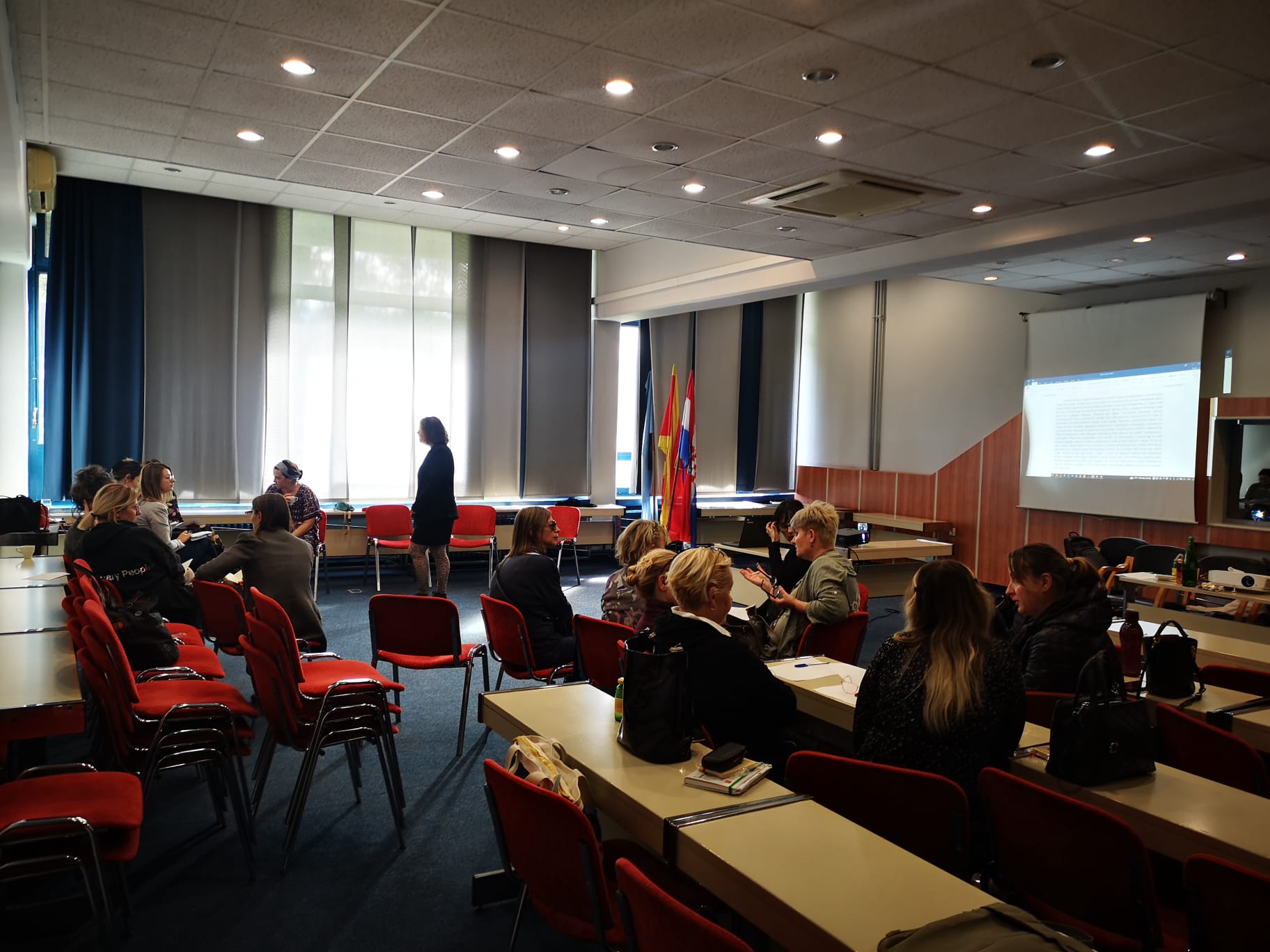
Women remain underrepresented and less influential in trade unions, and gender inequality persists in the workplace. Despite formal rights, lower pay, limited advancement, discrimination and violence continue. Trade unions lack the knowledge and internal capacity to address these issues systematically, and women workers lack safe spaces in which to share their experiences. Consequently, inequality is reproduced within the very institutions intended to counter it.
Women’s Trade Union School
Project owner: Baza za radničku inicijativu i demokratizaciju; Organization for Workers Initiative and Democratization
Responsible person: Baza za radničku inicijativu i demokratizaciju (BRID)

2026
2,000 Euro Prize
HR
Civil Society / Social Economy
Work
Education
Diversity
Challenge
Idea
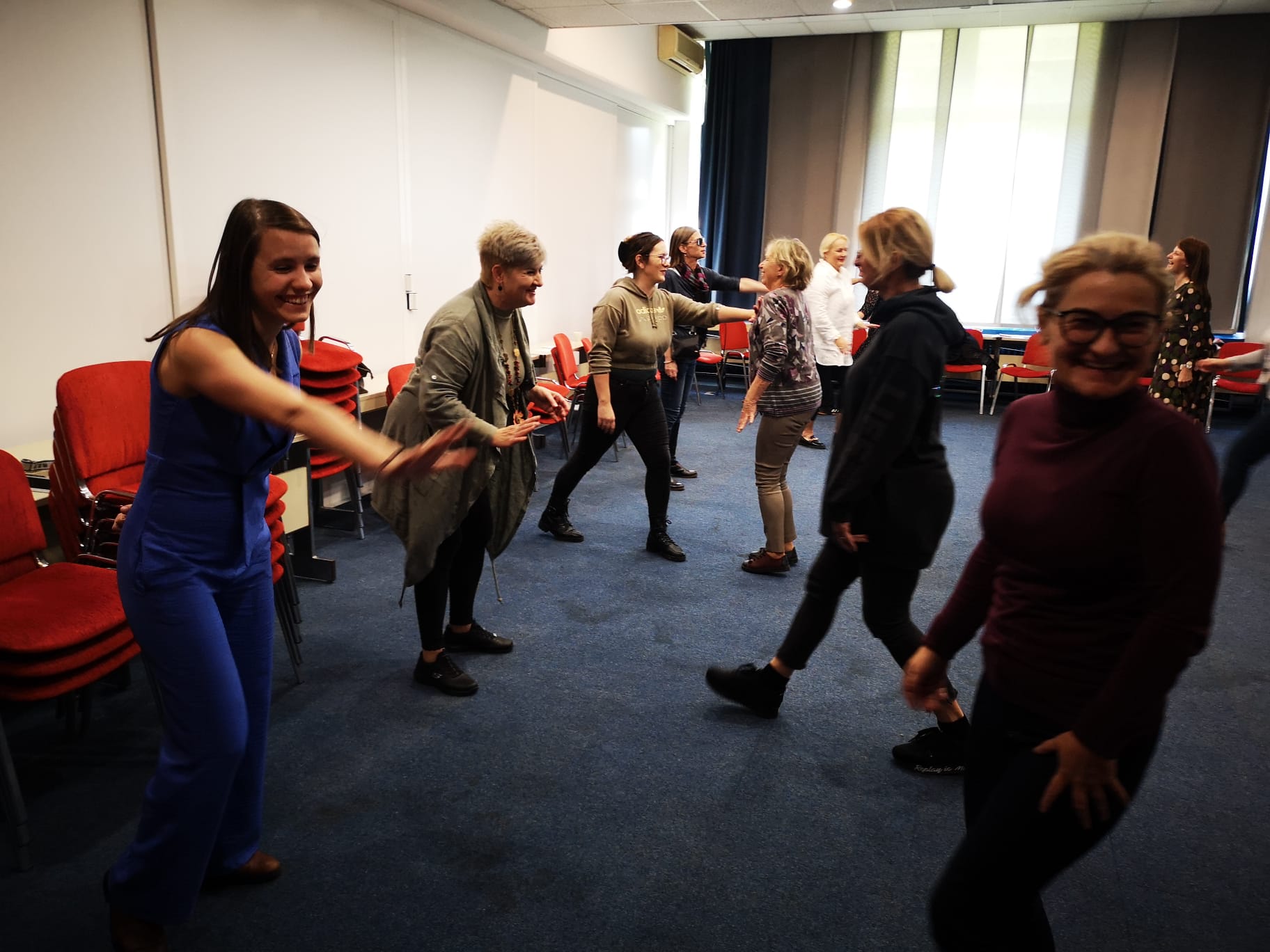
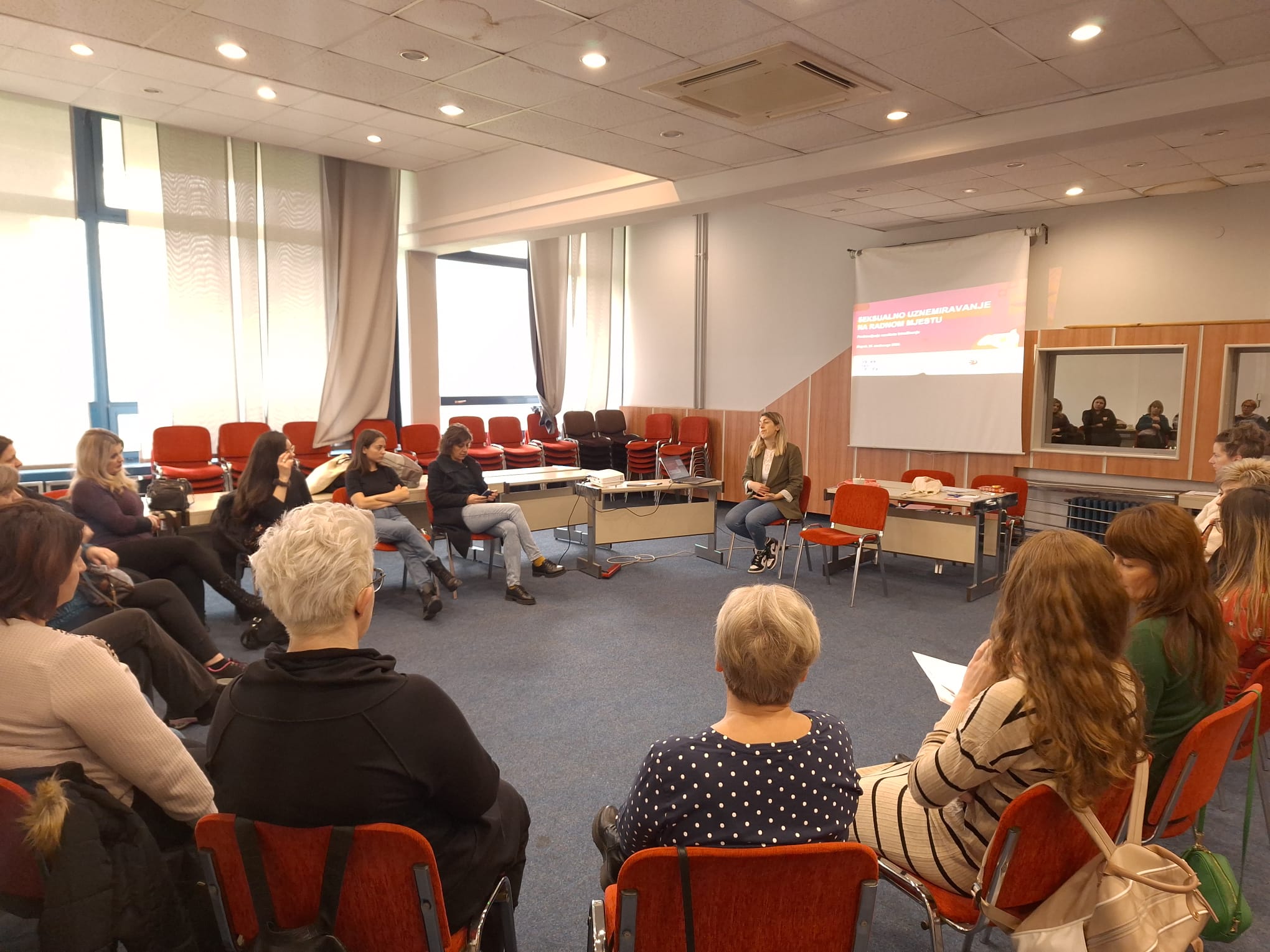
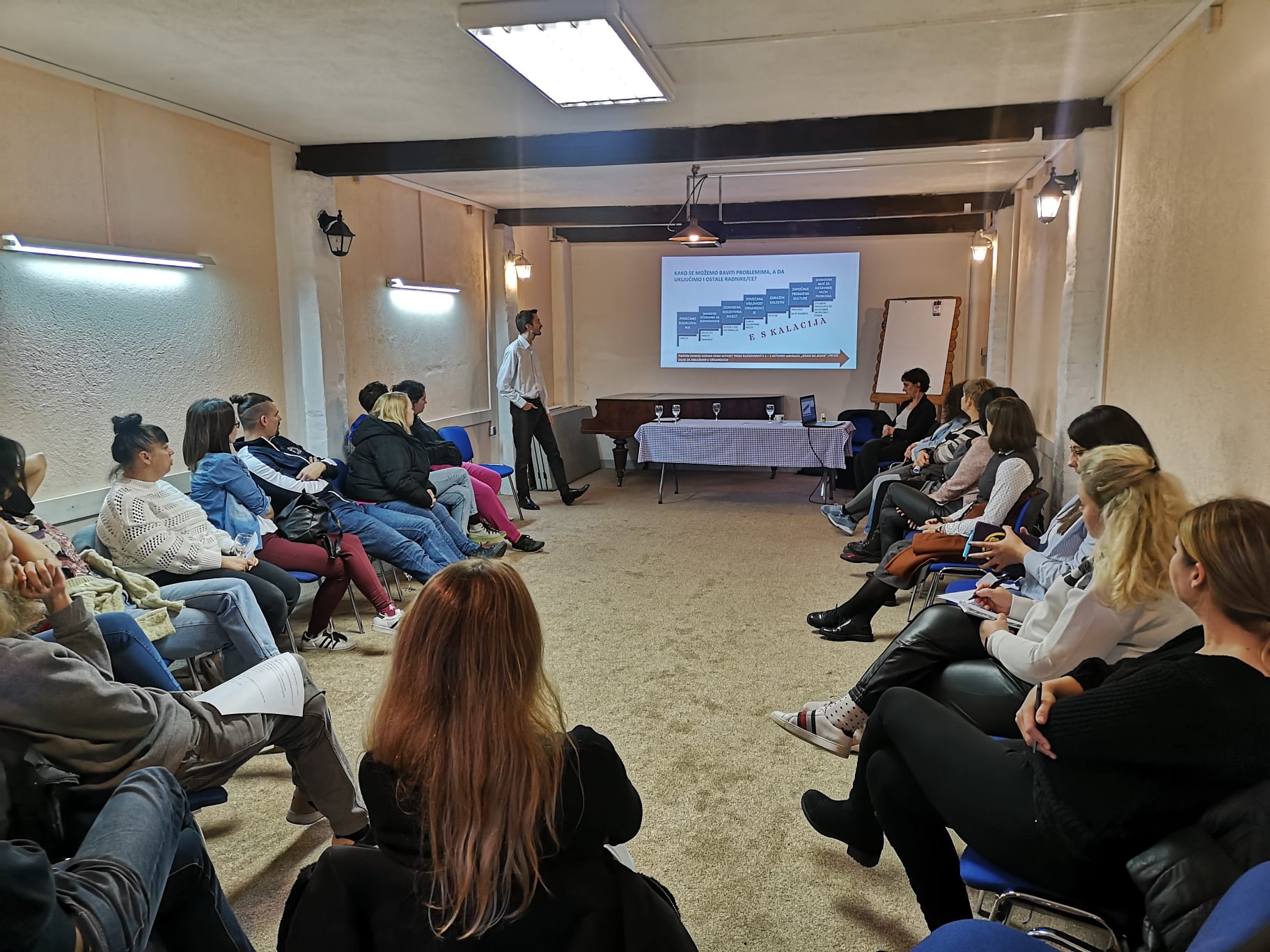
The idea is for women to gain the knowledge, skills and support needed to play an active role in trade unions and workplaces. Through education, peer exchange and practical exercises, participants learn to recognise discrimination, advocate for change and engage in collective action. At the same time, the programme strengthens trade unions by introducing a gender perspective to their policies and practices, and by encouraging anti-harassment measures and the creation of safer spaces for women.
Actors
An interdisciplinary team covers feminism, trade union organising, sociology and public policy. Marija Ćaćić leads methodology and mentors trainers; Jelena Ostojić develops theoretical modules on work and gender; Snježana Ivčić covers precarious work and health rights; Bruna Nedoklan leads modules on gender-based violence; Petra Ivšić coordinates field work with unions; Ana Vračar manages overall coordination, logistics, evaluation and reporting.
Impact
There is increased participation of women in trade unions, greater visibility of gender equality issues, and safer working environments. In the long term, trade unions will have the capacity to respond to discrimination and violence. The impact is measured by the number of participants, the sectors and unions involved, the results of feedback surveys on knowledge and confidence, the number of initiatives launched within organisations and the analysis of changes in union policies and practices.
Transfer
Designed as a flexible model adaptable to different sectors, regions and national contexts, the project links trade union infrastructure with feminist and interdisciplinary expertise. While trade unions have a presence in the field, they have limited capacity, whereas external experts have knowledge but lack networks. The programme bridges this gap. With the support of EPSU, the model has strong potential for application in other European countries and contexts.