| Low trust in public institutions, limited meaningful citizen participation and fragmentation among stakeholders define the local challenge. Structured dialogue between the municipality, experts, businesses and civil society is largely absent. The project responds to the need for more inclusive, transparent policymaking and tackles broader questions of social cohesion, participatory democracy and collective solutions to complex urban issues. |
Celje City Conferences
Vlastník projektu: Mestna občine Celje/City Municipality of Celje
Zodpovedná osoba: Monika Tominšek
2026
Nominovaní
SL
Verejná správa
Miestny rozvoj
Výzva
Myšlienka
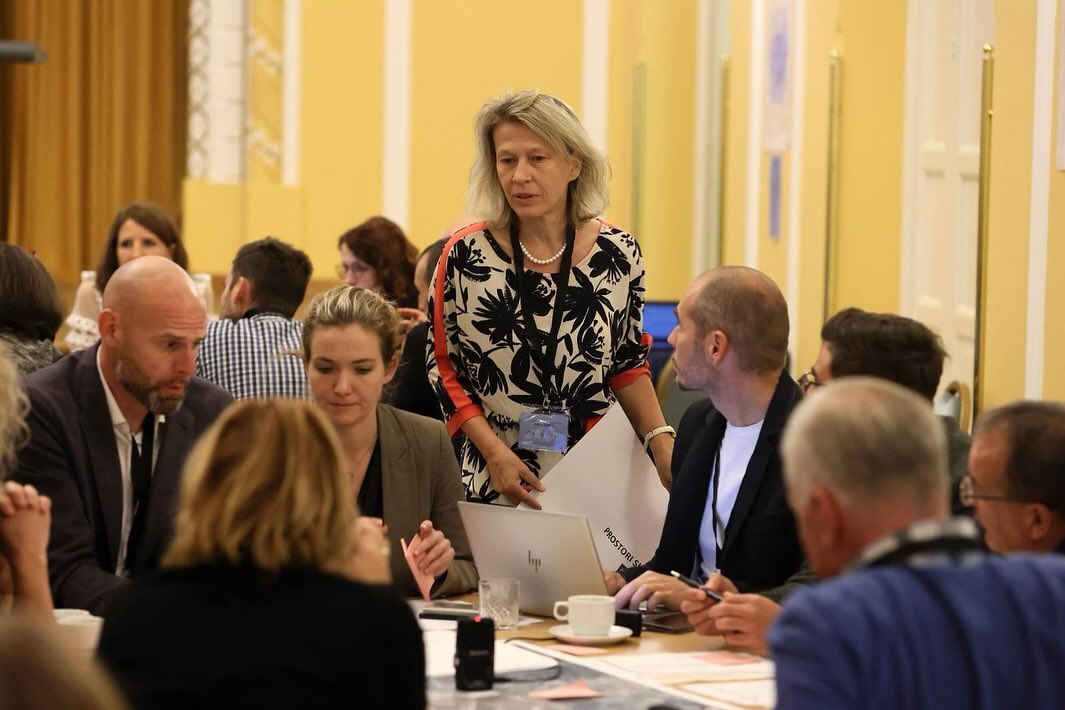
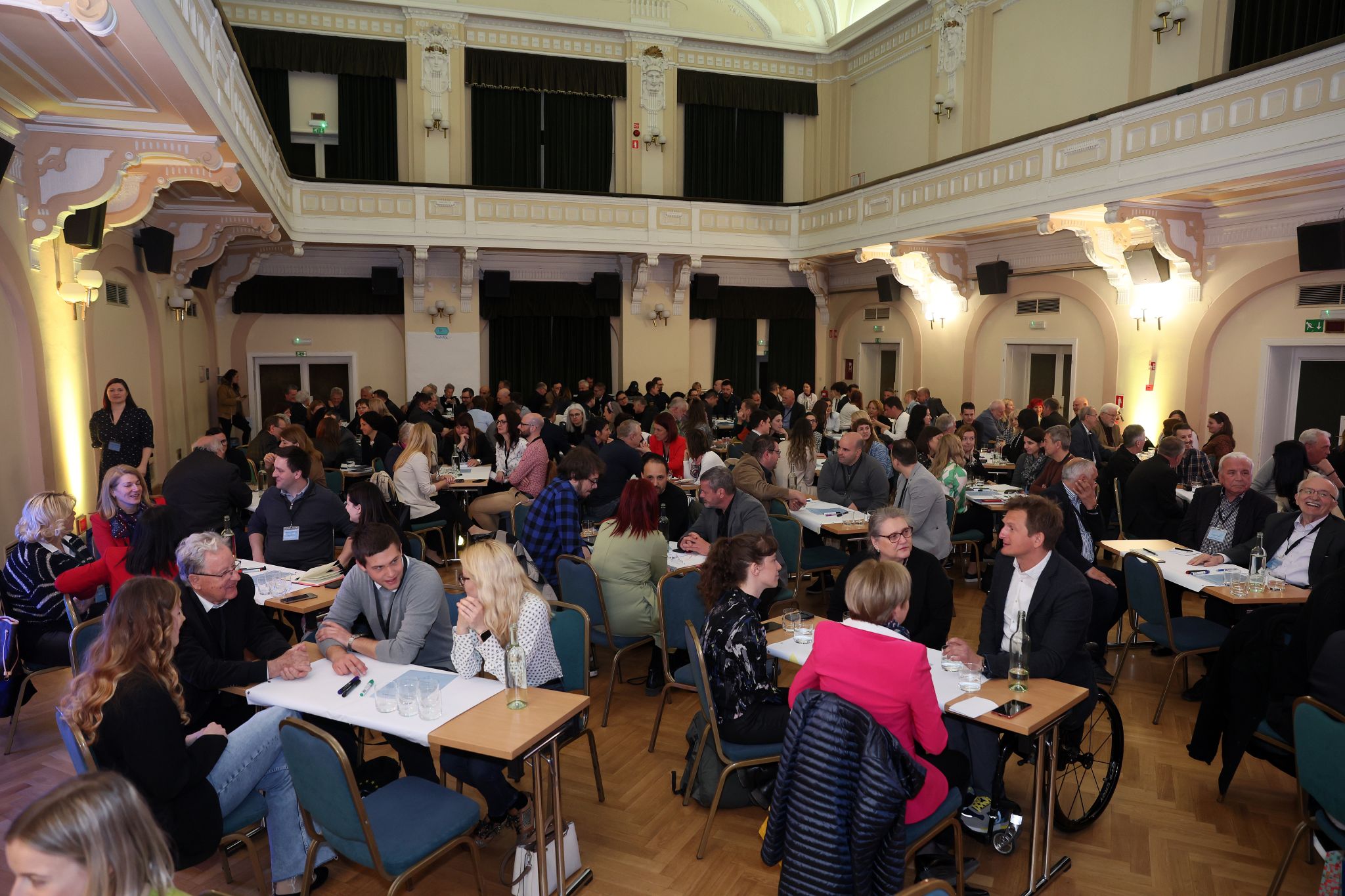
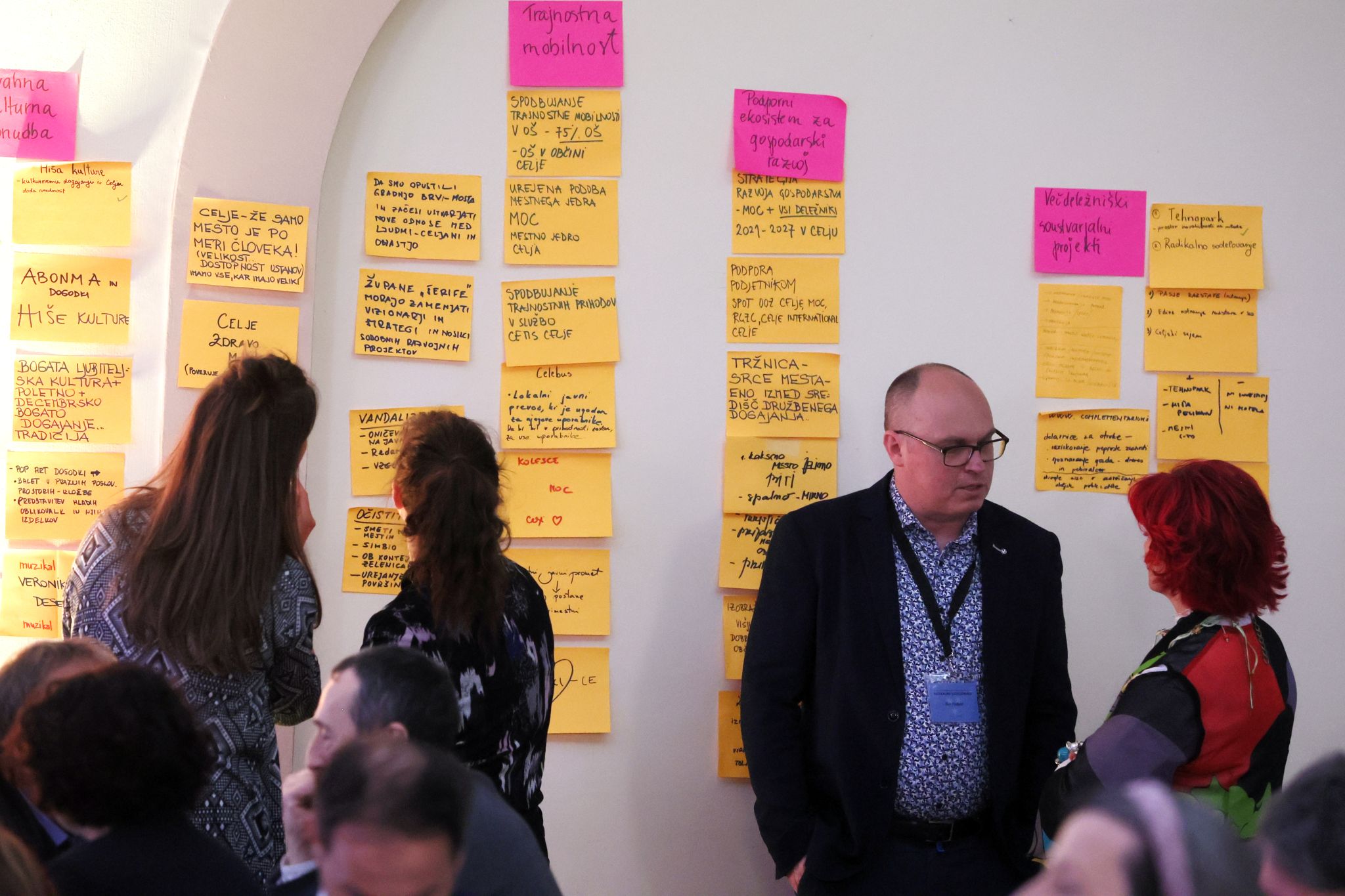
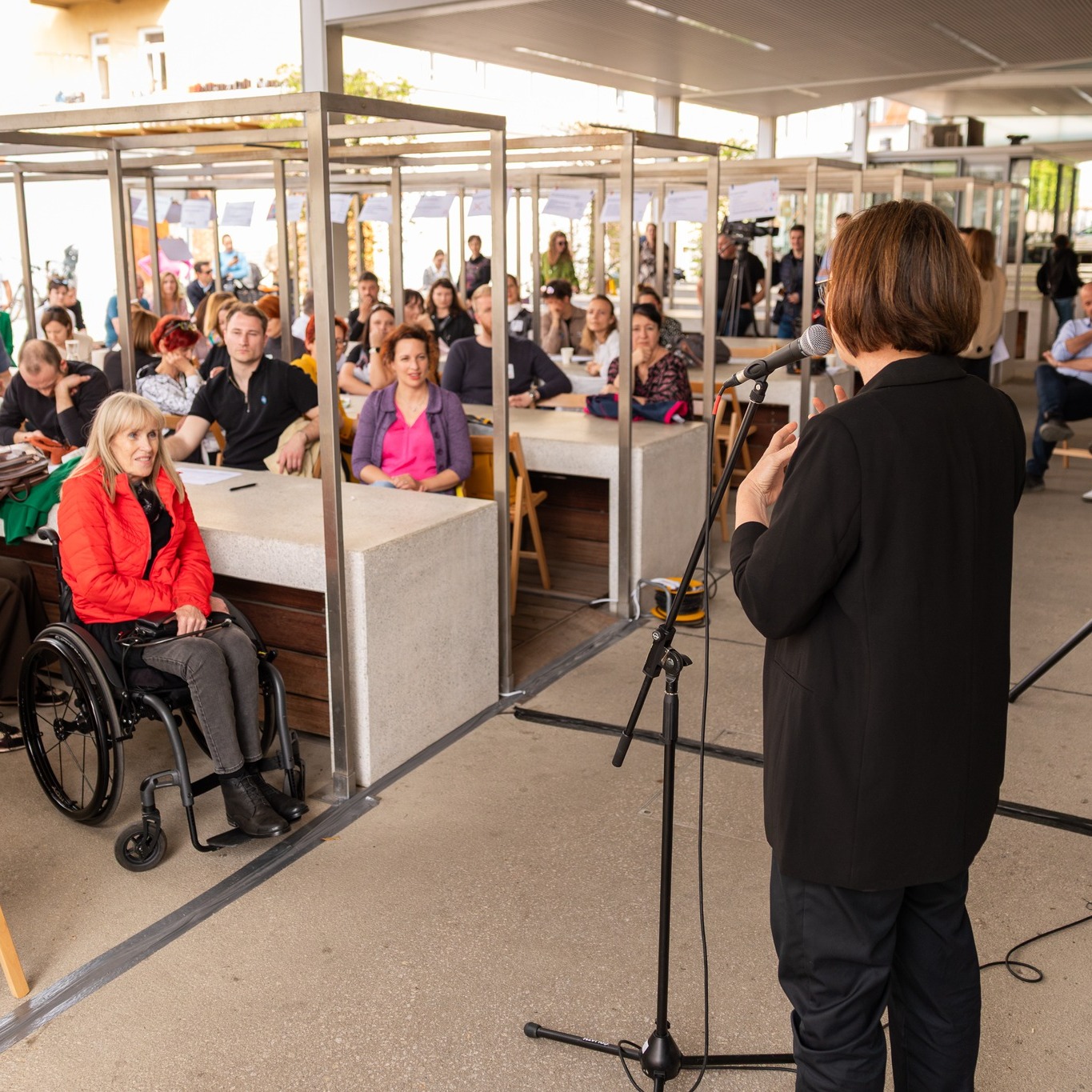
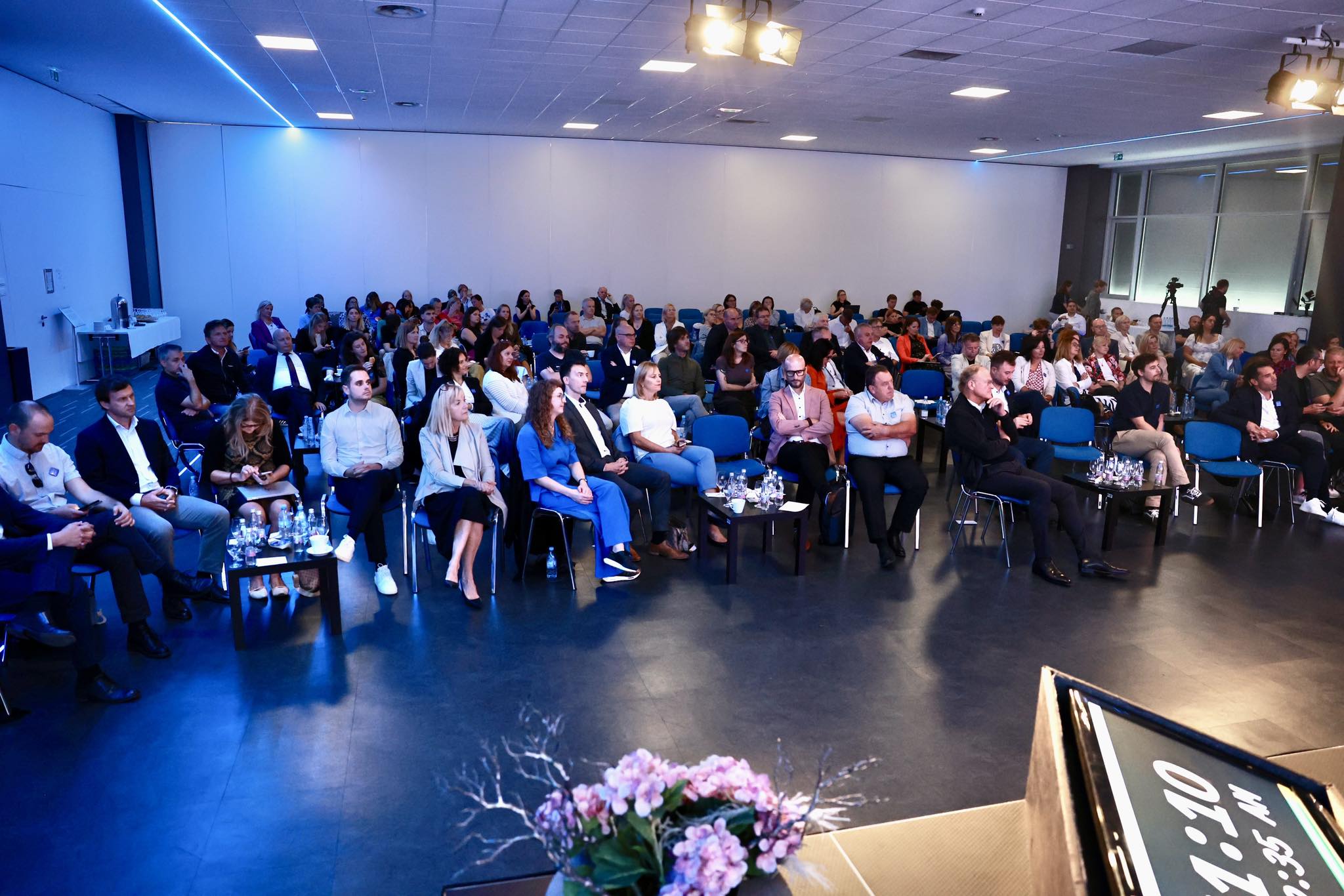
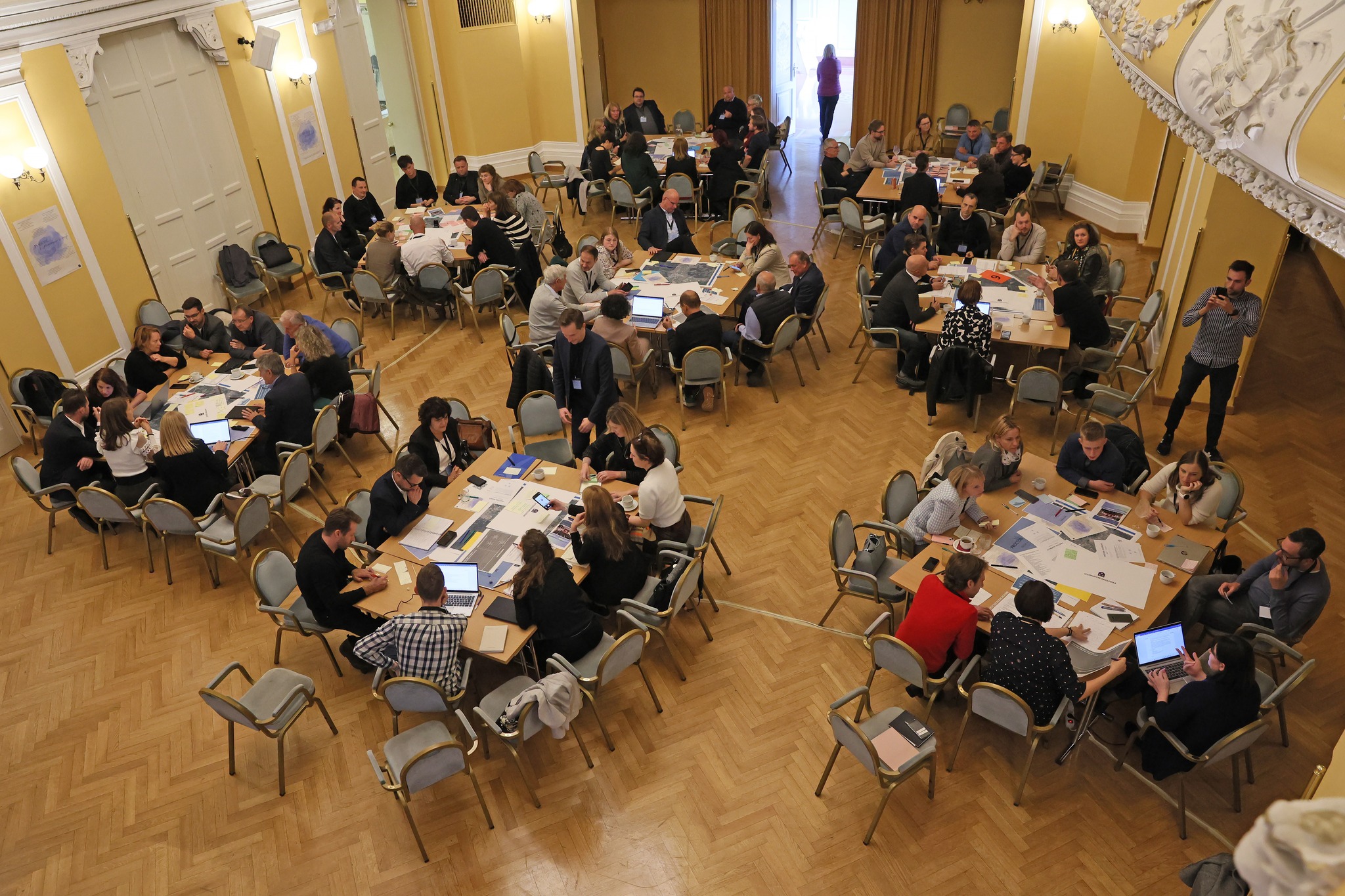
| The idea is a permanent, structured platform for dialogue between residents and key city stakeholders. City conferences provide a safe, open space in which residents, experts, businesses and decision-makers can participate equally and co-create solutions. The process is guided by methodology to ensure that ideas are systematically translated into guidelines and that concrete actions are implemented by the city administration, thereby strengthening trust and shared responsibility for community development. |
Aktéri
| The concept was developed in 2022 through the cooperation of the municipal administration, the Director of City Administration, the Mayor's advisor, and three external collaborators. Together, they designed the concept, defined themes, and selected speakers. External facilitators provided content and process preparation, while municipal staff handled logistics. In later iterations, a dedicated core project team was formed to lead city conferences on an ongoing basis. |
Dopad
| With 80 to 150 participants at each conference, the project enjoys stable and diverse engagement. The project strengthens the trust between residents and the municipality, fostering a culture of shared responsibility. The impact is measured through qualitative and quantitative post-conference reports covering participant numbers, the structure of the target group and the proposals collected. A key indicator of success is the municipal administration's adoption of the proposals and their integration into concrete actions. |
Prenos
The model can be easily changed and used in different places, without being connected to specific local conditions. Themes, participatory methods and stakeholder engagement can be adapted to local challenges and institutional contexts. The core transferable elements include the participatory methodology, the role of the municipality as facilitator, and the translation of discussions into concrete actions. Successful transfer requires political support, active involvement of multiple sectors, and basic organisational and financial capacity. The experience and documentation from Celje serve as a practical guide for other municipalities and regions.