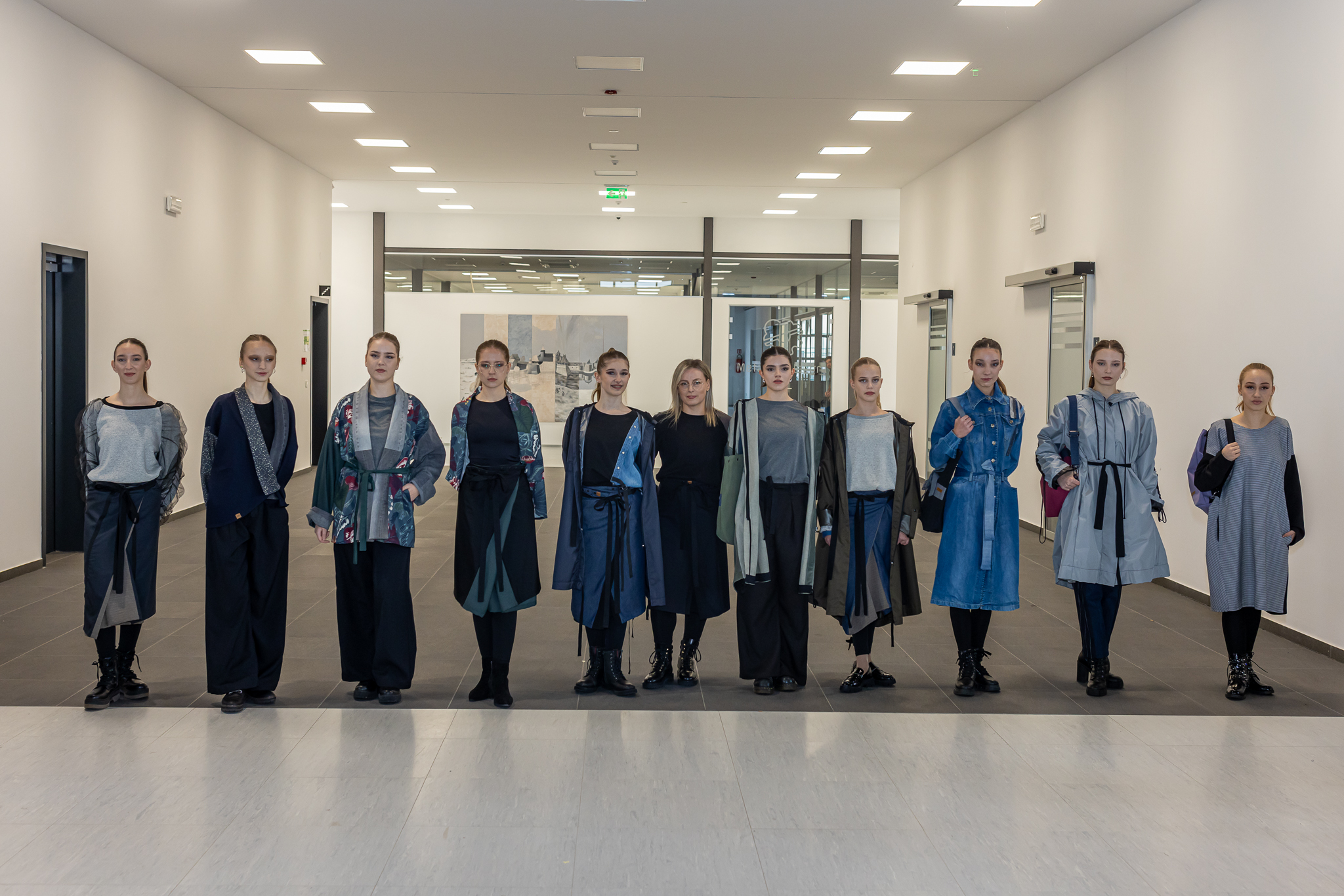
Strukturne pomanjkljivosti izključujejo invalide in druge ranljive skupine z odprtega trga dela ter jih omejujejo na segregirana ali začasna delovna mesta, medtem ko ima tekstilni sektor visoke okoljske stroške in nizko družbeno odgovornost. Humana Nova namesto tega v tržnem modelu združuje vključujoče zaposlovanje, socialno podporo in krožno tekstilno proizvodnjo.
Humana Nova – Inclusive Circular Economy
Lastnik projekta: Socijalna zadruga Humana Nova, Social Cooperative Humana Nova
Odgovorna oseba: Karolina Kraljić
2026
2.000 evrov nagrade
HR
Civilna družba / Socialno gospodarstvo
Delo
Raznolikost
Okolje
Izziv
Ideja
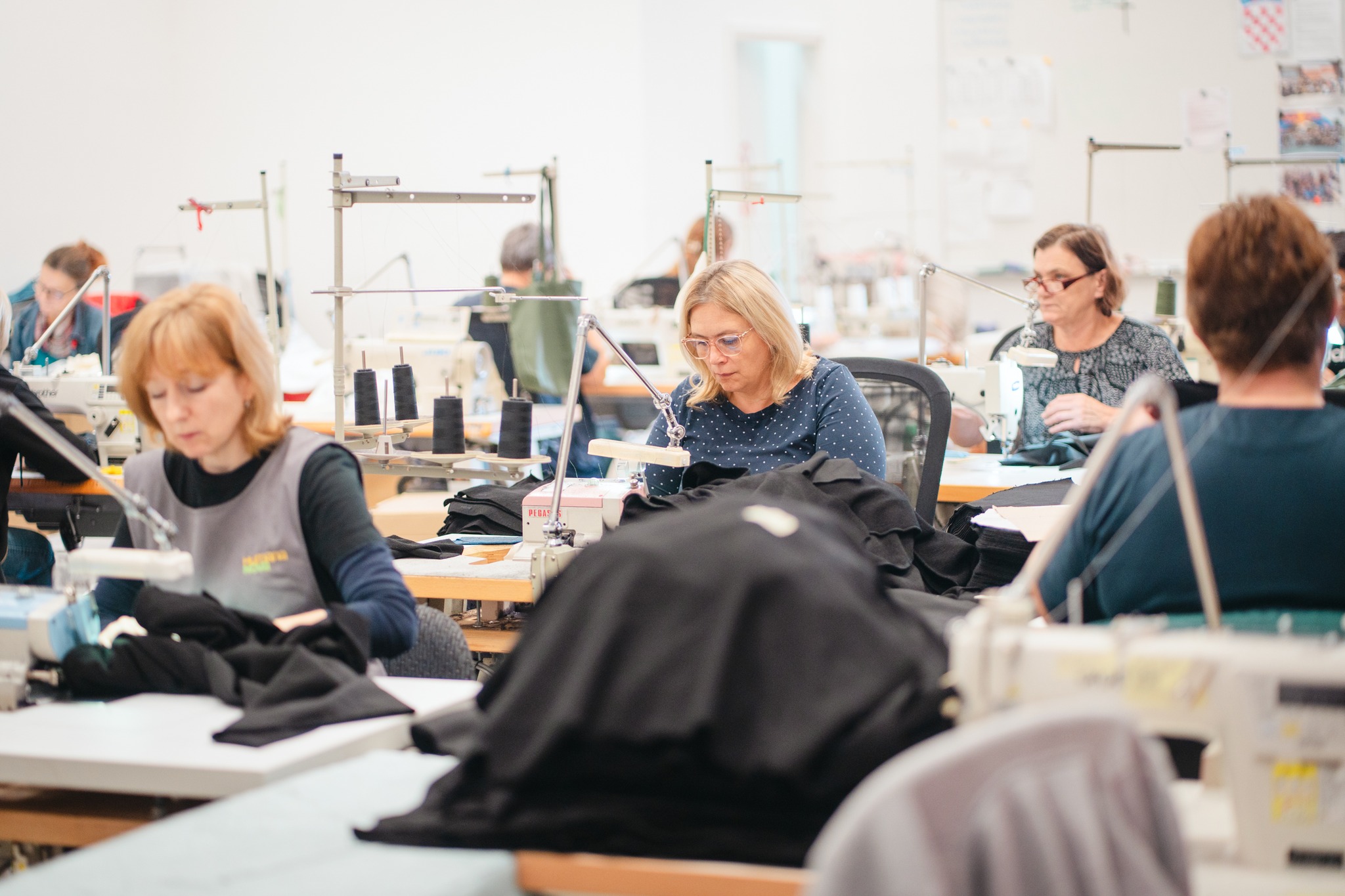
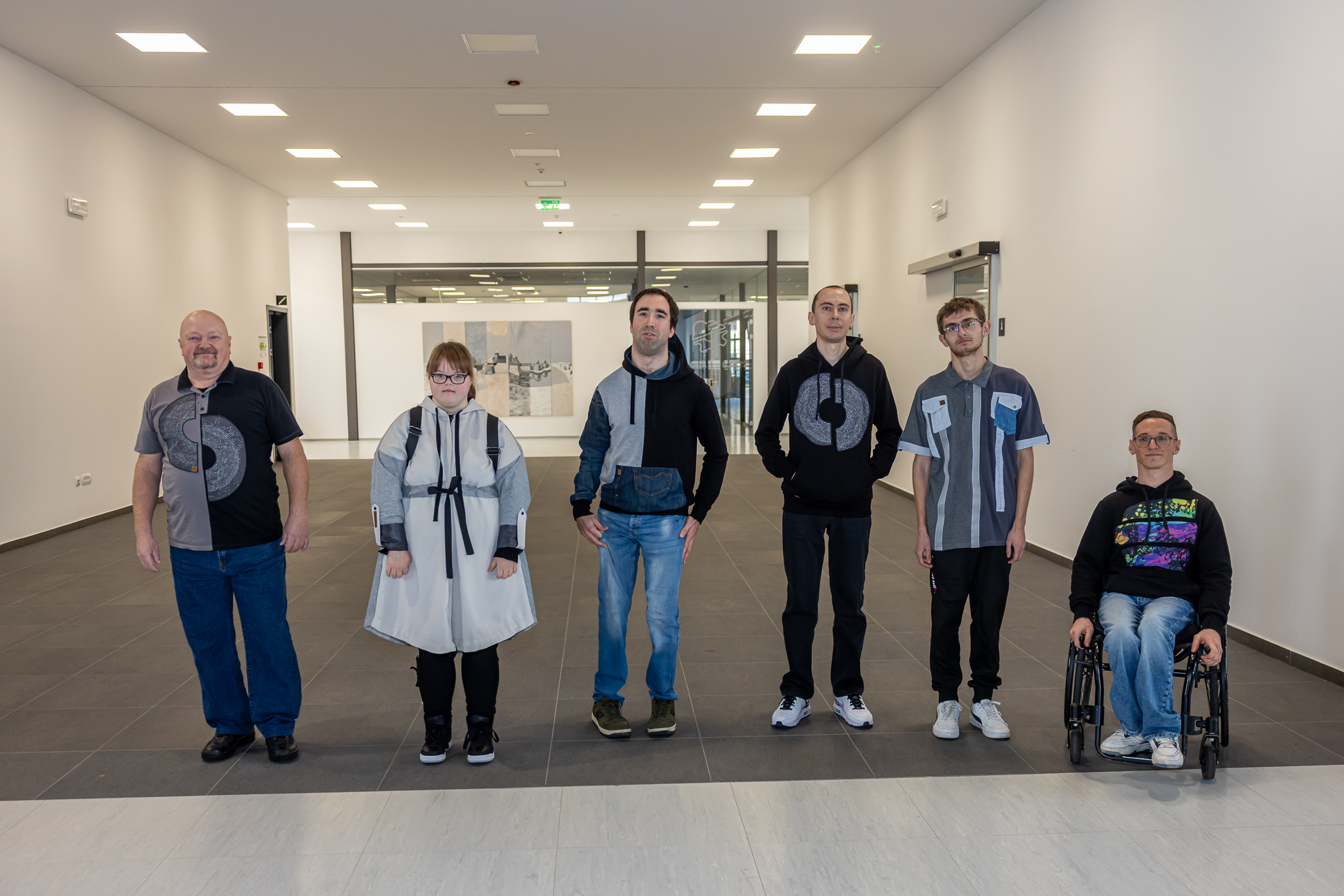
Humana Nova organizira celotno tekstilno vrednostno verigo, od zbiranja do prodaje, s prilagoditvami za različne delovne zmožnosti zaposlenih. Naš krožni model obsega ponovno uporabo s predelavo (upcycling), izdelavo embalaže iz industrijskih krp in filca, s čimer zmanjšujemo količino odpadkov in ustvarjamo vrednost. V proizvodnji se uporabljajo lokalno pridobljeni in reciklirani materiali. Socialna podpora in prilagoditve dela so vgrajene v vsakodnevne procese, vzporedno pa potekajo delavnice, ki spodbujajo ekološko in družbeno zavest.
Deležniki pri projektu
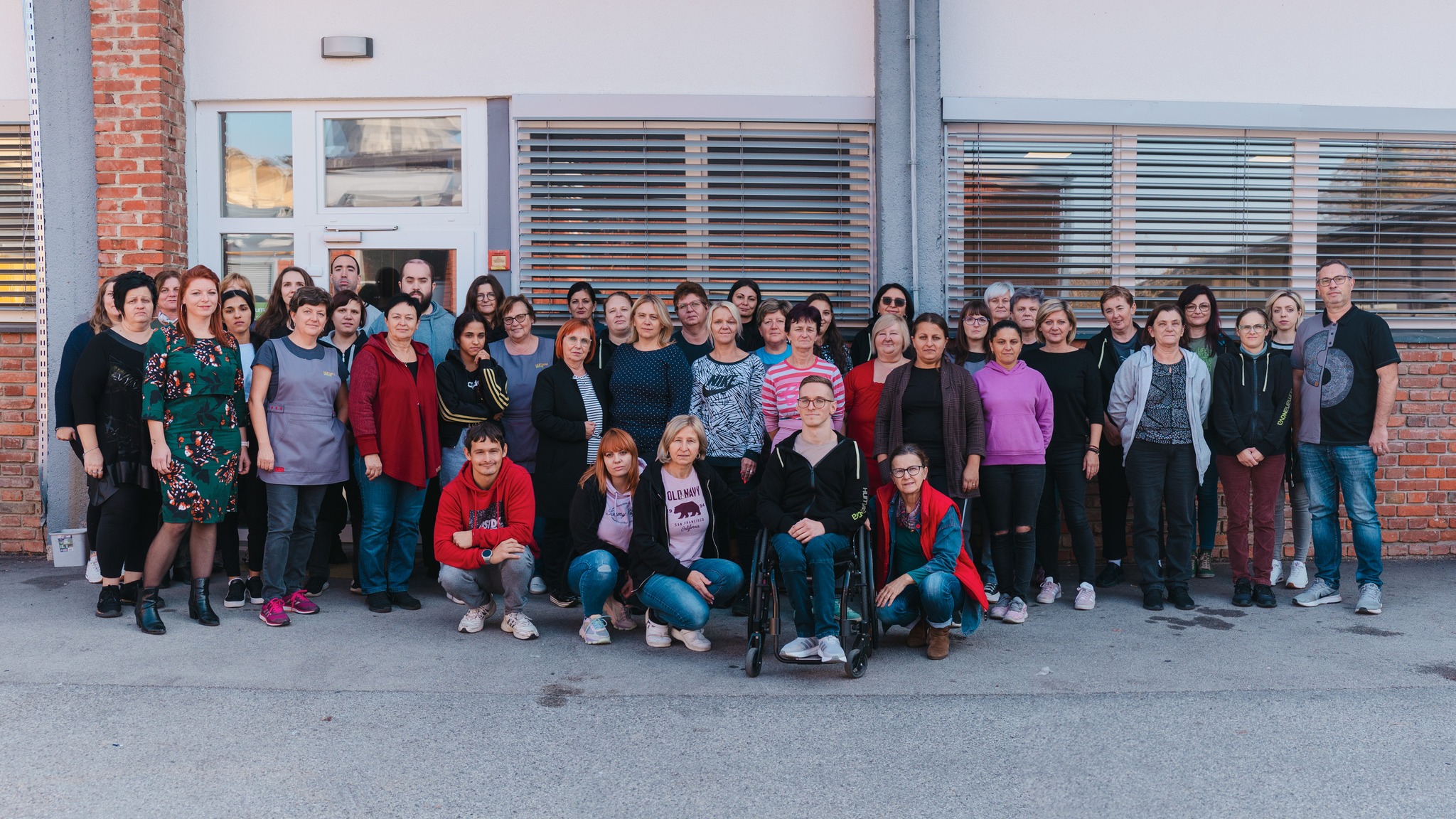
Zadružno upravljanje združuje demokratično odločanje s tržno usmerjenim poslovnim pristopom. Skupščina in nadzorni svet spodbujata transparentnost, poslovanje pa nadzoruje direktor. Ekipe pokrivajo področja proizvodnje, upravljanja s tekstilnimi odpadki, trgovino z oblačili iz druge roke, B2B prodajo ter finance in kadrovsko službo, vse ob močni socialni podpori. Za vključitev ranljivih oseb v vse procese se izvajajo individualne prilagoditve delovnih mest. Marketing in oblikovanje se izvajata zunaj podjetja.
Vpliv
Med 59 zaposlenimi jih ima 34 invalidnost, 20 pa jih pripada drugim ranljivim skupinam. Dolgoročna vključitev na trg dela zmanjšuje brezposelnost in povečuje finančno neodvisnost. Stabilnost zaposlitve se spremlja kvantitativno, medtem ko individualni načrti podpore in povratne informacije dajejo kvalitativne rezultate. Model spreminja tudi dojemanje zaposljivosti ranljivih skupin in je doslej preprečil nastanek 5000 ton odpadnega tekstila.
Prenos
Vključujoče zaposlovanje, delo, prilagojeno različnim zmožnostim, integrirana socialna podpora in načela krožnega gospodarstva se lahko uporabijo v različnih regijah in sektorjih. Model spoštuje lokalne pogoje in zakonodajo, hkrati pa ohranja svojo lastno jedrno logiko. Strateški cilj Humane Nove je njegov nadaljnji razvoj v obliki franšize.