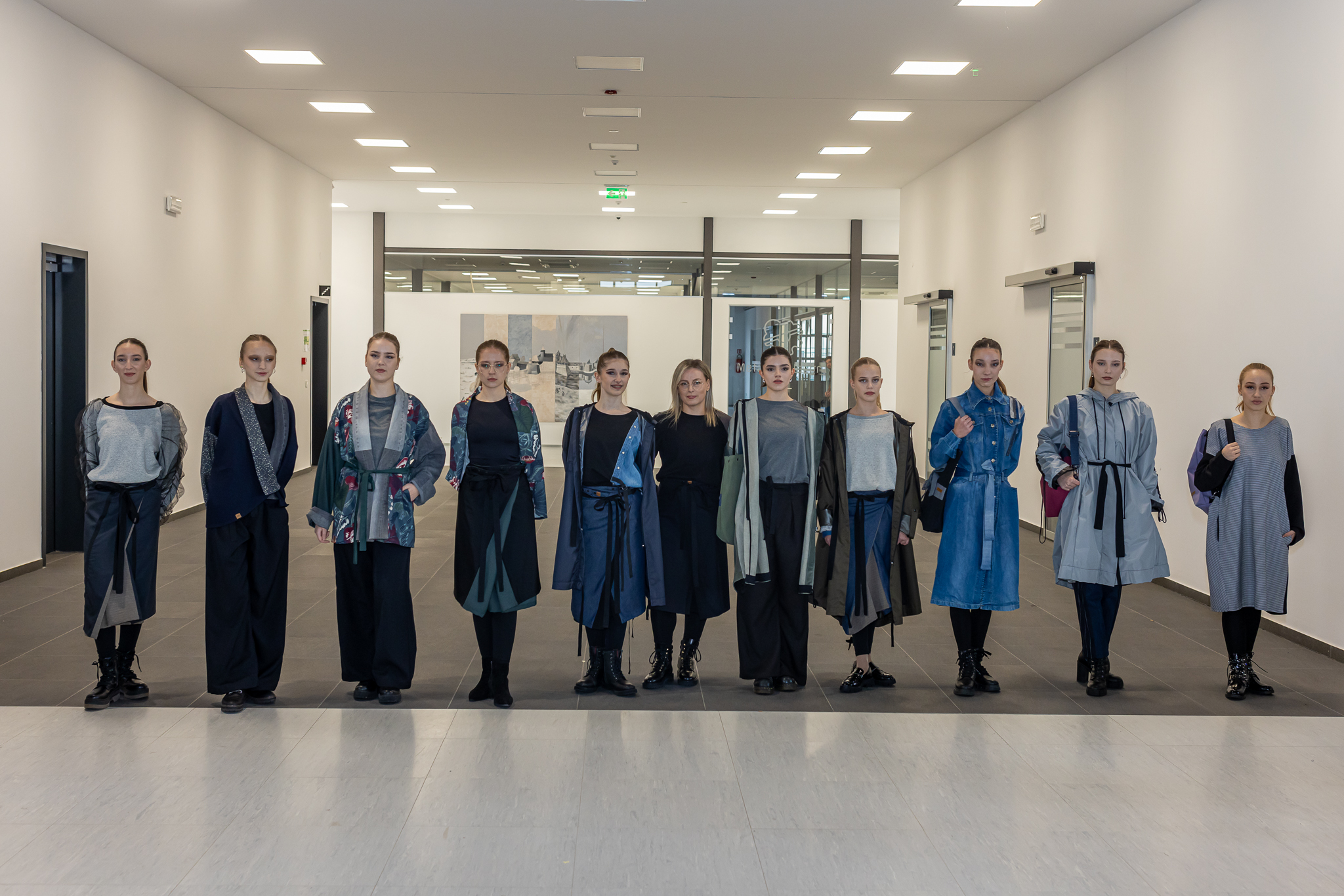
Structural weaknesses prevent people with disabilities and other vulnerable groups from participating in the open labour market, instead confining them to separate, temporary or sheltered work models. The textile sector incurs significant environmental costs and demonstrates limited social responsibility. The institutional divide between social policies and market systems means that inclusion is dependent on subsidies. Humana Nova, however, integrates inclusive employment, social support and circular textile production into one market-sustained system.
Humana Nova – Inclusive Circular Economy
Project owner: Socijalna zadruga Humana Nova, Social Cooperative Humana Nova
Responsible person: Karolina Kraljić
2026
2,000 Euro Prize
HR
Civil Society / Social Economy
Work
Diversity
Environment
Challenge
Idea
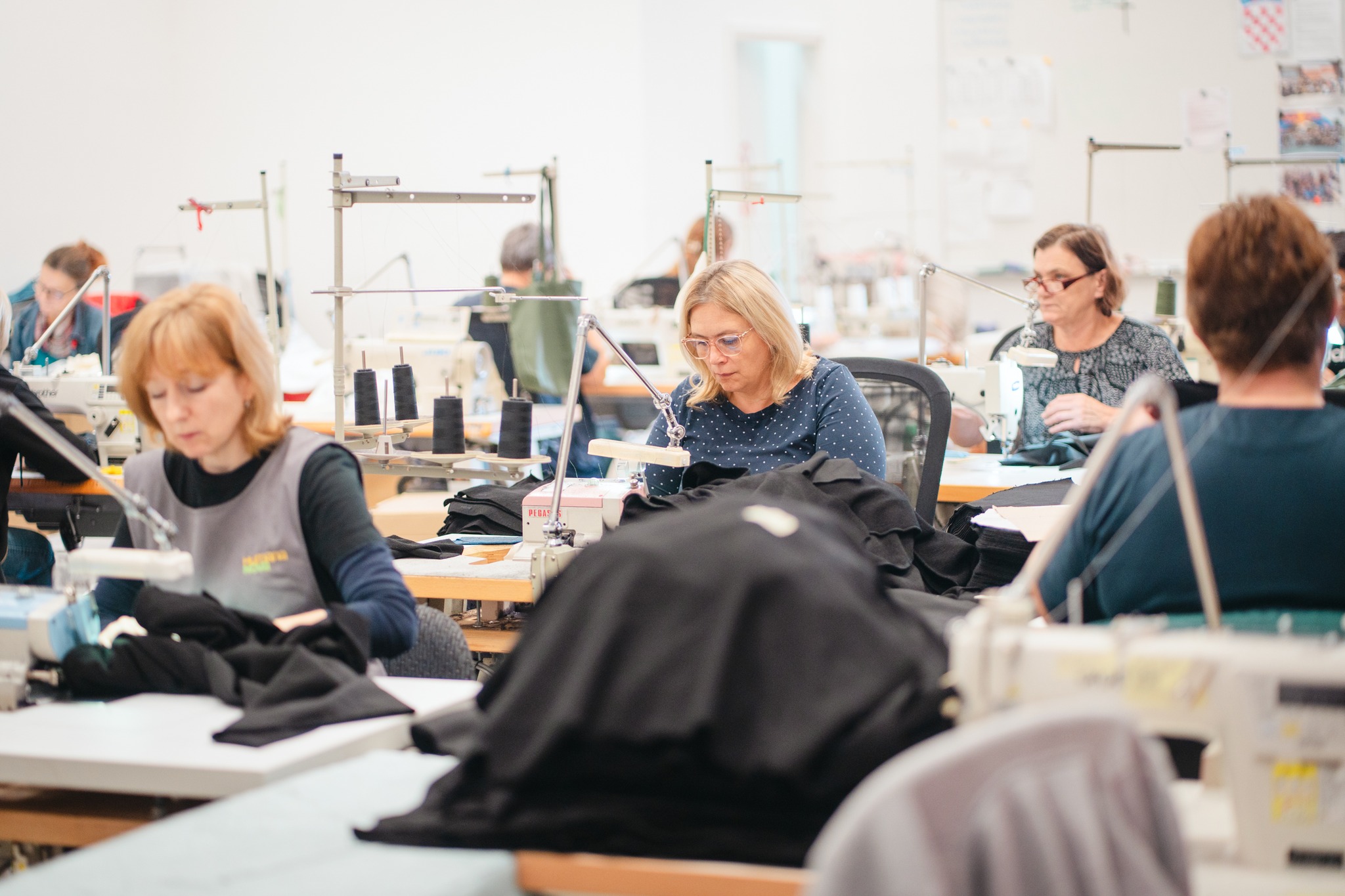
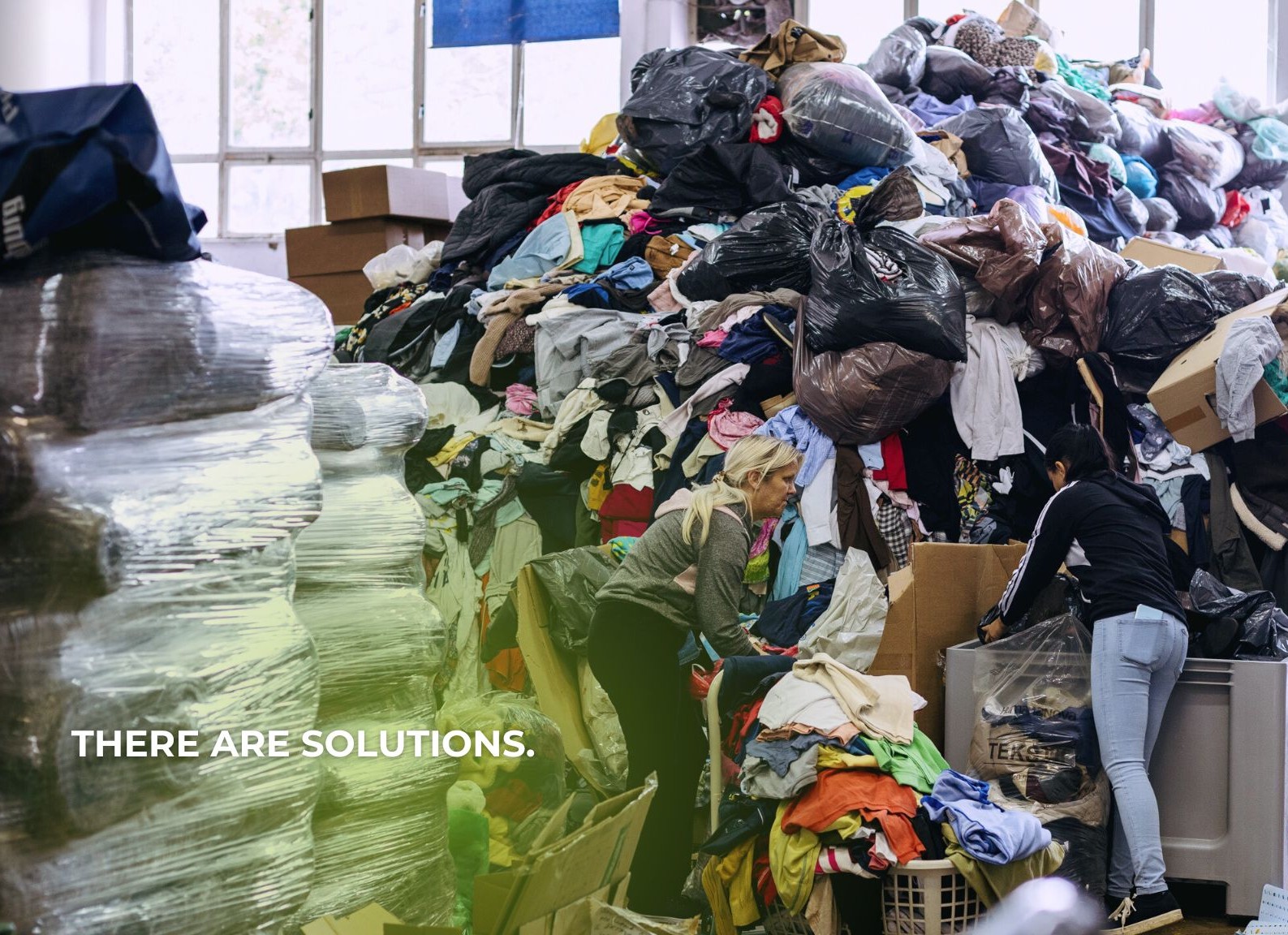
Humana Nova organises the entire textile value chain, from collection to sales, with adaptations for different working abilities. Our circular model encompasses upcycling, industrial rags and felt packaging, reducing waste and creating value. Production uses locally sourced and recycled materials. Social support and work adjustments are embedded in everyday processes, alongside workshops that foster ecological and social awareness.
Actors
Cooperative management combines democratic decision-making with a market-oriented approach to business. The Assembly and Supervisory Board promote transparency, and a manager oversees operations. Teams cover production, textile waste management, a second-hand shop, B2B sales, and finance and human resources, all with strong social support. Individual job adjustments are made to include vulnerable people across all processes. Marketing and design are handled externally.
Impact
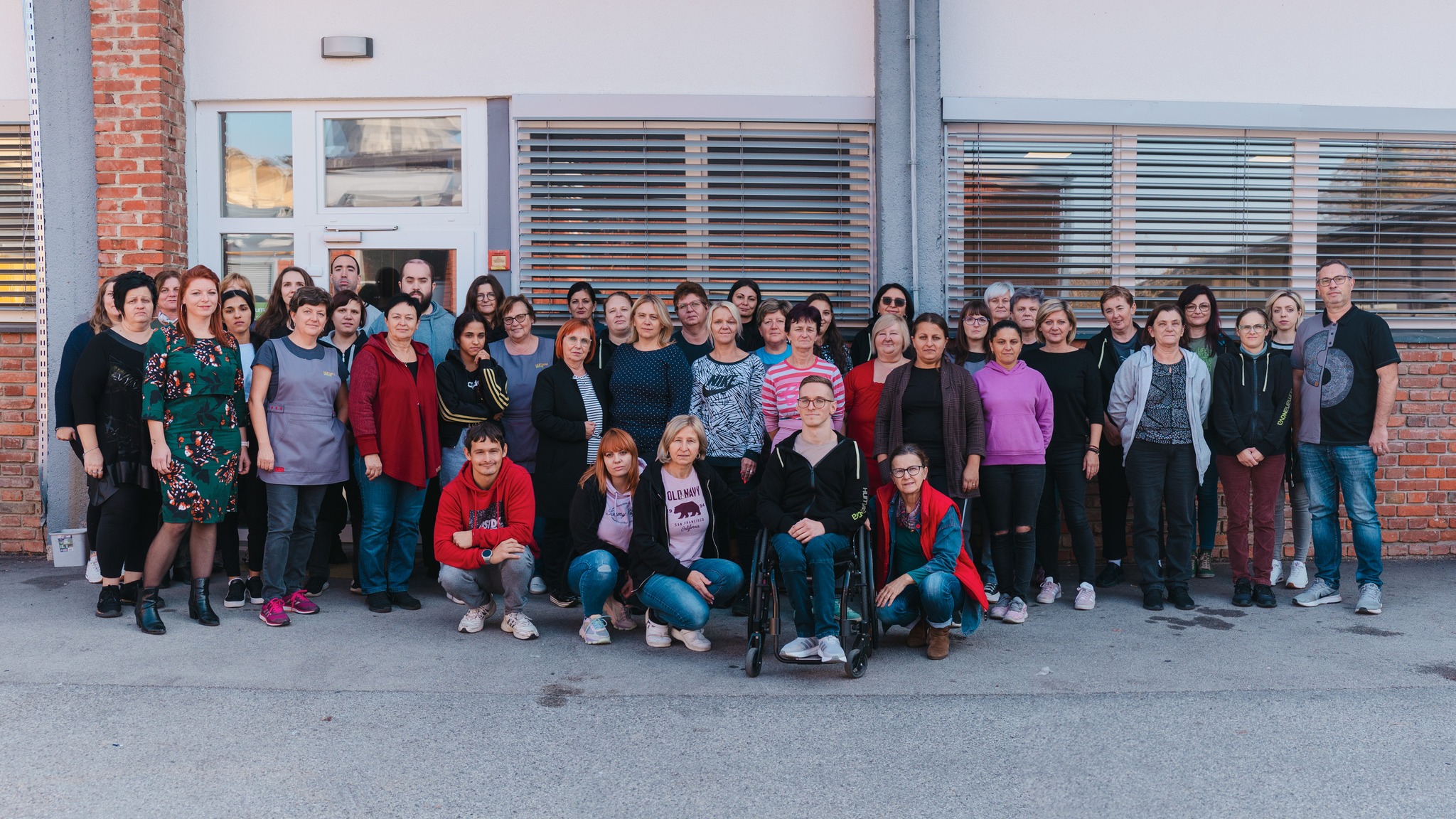
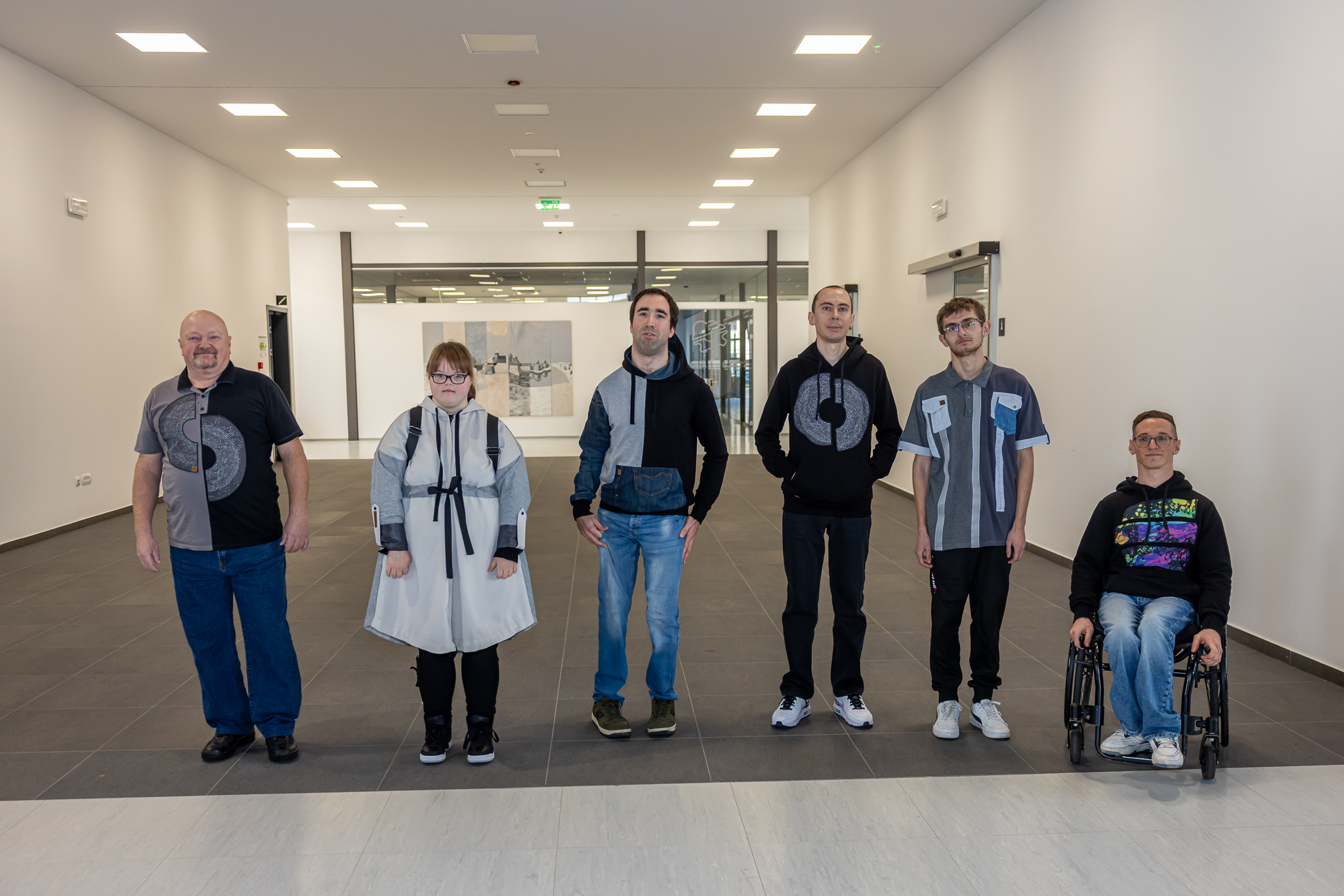
Of the 59 employees, 34 have a disability and 20 belong to other vulnerable groups. Long-term integration into the open labour market reduces unemployment and increases financial independence. Employment stability is monitored quantitatively, while individual support plans and feedback track qualitative outcomes. The model also changes perceptions of the employability of vulnerable groups and has prevented 5,000 tonnes of textiles from being disposed of.
Transfer
Inclusive employment, work adapted to diverse abilities, embedded social support and circular economy principles can be applied across regions and sectors. The model respects local conditions and legislation while retaining its core logic. Humana Nova's strategic goal is to develop it further as a franchise.